WW DIGI 2025: Pushing the Limits with LX7I Superstation (Flashback)
FT4, FT8, 24 hours of nonstop action, and a new European record.
Here we go again — WW DIGI 2025! The annual FT4 and FT8 contest was another opportunity to push the limits of digital contesting, and once again, I had the pleasure of operating from the outstanding LX7I Superstation, thanks to Philippe for generously making his station available to me.
Everything worked flawlessly, and I was highly motivated to make the most of this opportunity. I spent quite some time preparing the setup, fine-tuning the operating position, and getting everything ready for 24 hours of serious digital contesting.
The Operating Setup
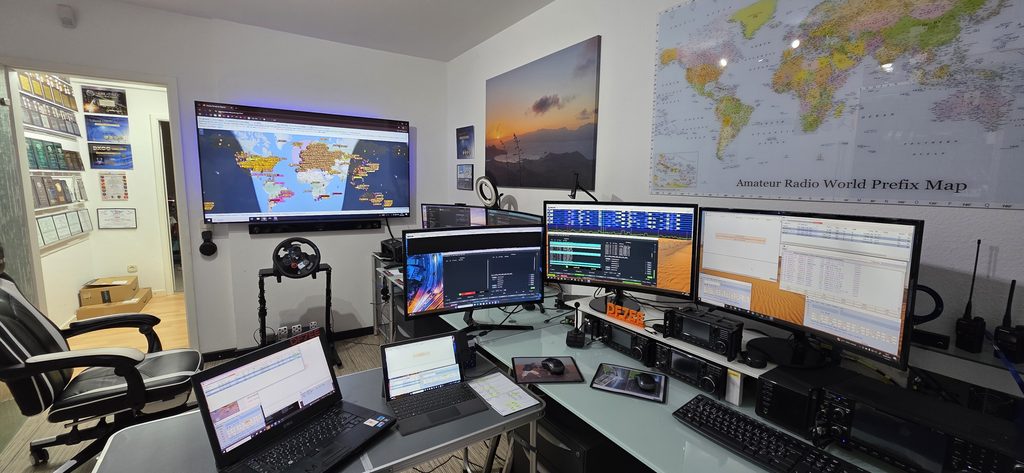
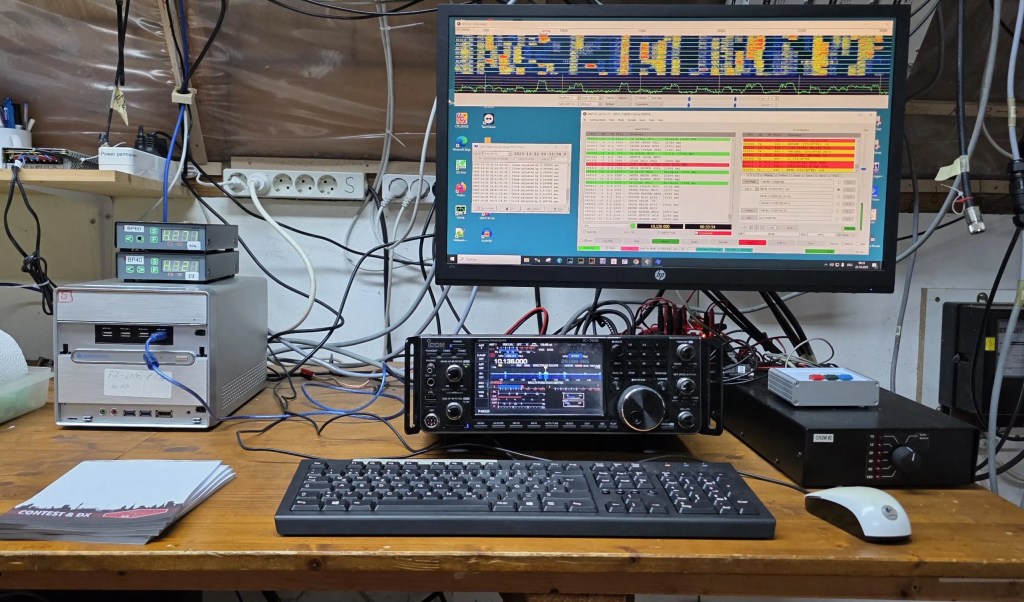
A comfortable and efficient operating position makes a real difference during a long contest. This time, I arranged the monitors as follows, from left to right:
I also moved the WSJT-X screen on the right next to the other WSJT-X screen. A small change, but a worthwhile improvement in ergonomics when spending an entire day in front of the screens.
With the station ready and everything in place, it was time to get on the air!
The Challenge: Competing from Europe
Congratulations to Holger, ZL3IO, for his fantastic score and for setting such a high benchmark!
Looking at the previous year’s results, I quickly realized what it might take to compete at the top level: around 1,500 QSOs and 900,000 points — or even more.
But how do you achieve that from Europe, where distance-based scoring puts us at a disadvantage compared with stations in other parts of the world?
My strategy was clear: focus heavily on FT4 to maximize the QSO rate.
FT4, FT8, and the Perfect Flow
With my call sign being somewhat uncommon in FT4 and FT8, the station attracted a steady stream of callers. Throughout the entire 24-hour contest, there wasn’t a single minute without someone calling!
I was genuinely amazed by the propagation, the number of callers, and the QSO rates. For much of the contest, everything seemed to fall into place. Contacts kept coming, the rate remained high, and I experienced what I can only describe as the perfect flow.
Before the contest, I wasn’t entirely convinced that approaching 2,000 QSOs in 24 hours was realistic. Once the rate started building, however, that target no longer seemed so far-fetched.
One important lesson stood out above everything else:
Only click callsigns that include a locator!
It sounds simple, but when the rate is high and callers are coming in continuously, it’s easy to waste precious time on incomplete calls. Every second counts when you’re trying to maximize the final score.
The Final Hours
As the contest entered its final hours, concentration became increasingly difficult. I decided to spend more time on FT8 rather than continuing with FT4.
The slower pace was easier to manage when fatigue started to set in, although it wasn’t the best choice for maximizing the final score.
After 24 hours of intensive operating, the mental and physical effort was definitely noticeable. Still, the experience was fantastic, and the station had performed exceptionally well.
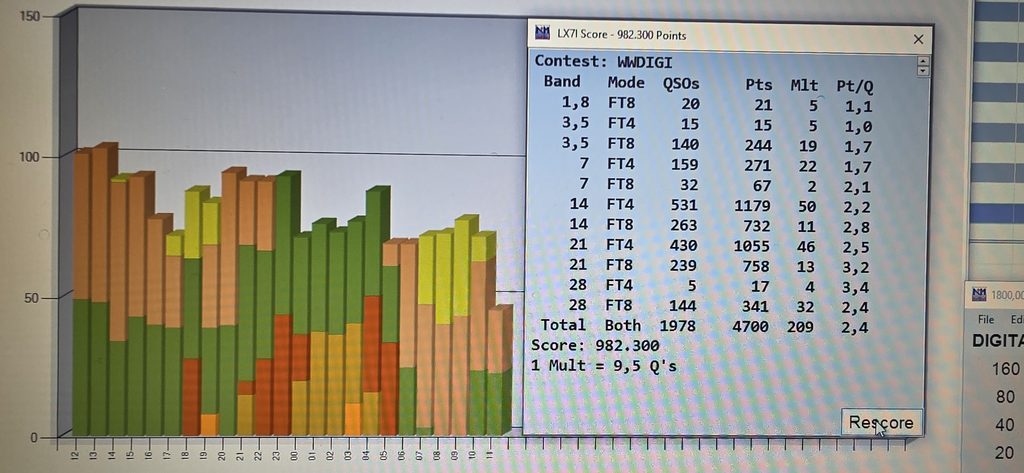
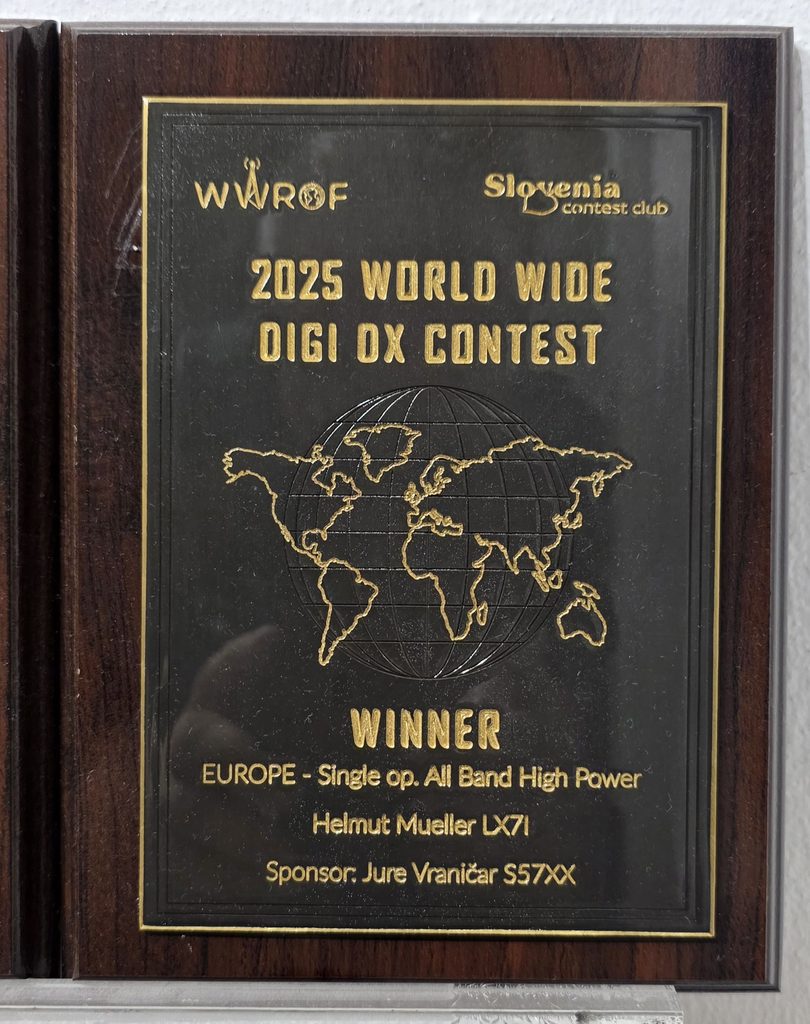
Final Results — December 23, 2025
The final scores were published on December 23, 2025.
Unfortunately, even almost doubling the number of QSOs isn’t enough to overcome Europe’s disadvantage in a distance-based scoring system.
Nevertheless, I’m delighted with the outcome. The contest brought me a new European record and a mention in the official results article — a very satisfying reward for all the preparation and effort!
Would I Do It Again?
If you’d asked me within 24 hours of finishing the contest, my answer would have been an emphatic:
NO!
I was absolutely exhausted. 😄
But that’s the nature of a 24-hour contest at this intensity. You push yourself, learn a lot, enjoy some incredible runs, and finish wondering how you managed to keep going for so long.
A big thank you to Philippe for letting me use the LX7I Superstation again, and thanks to everyone who called me during the contest. I’m sorry to those I couldn’t work — especially anyone who called without a locator!
And, of course, congratulations again to Holger, ZL3IO, and all the other competitors who made WW DIGI 2025 such a great challenge.
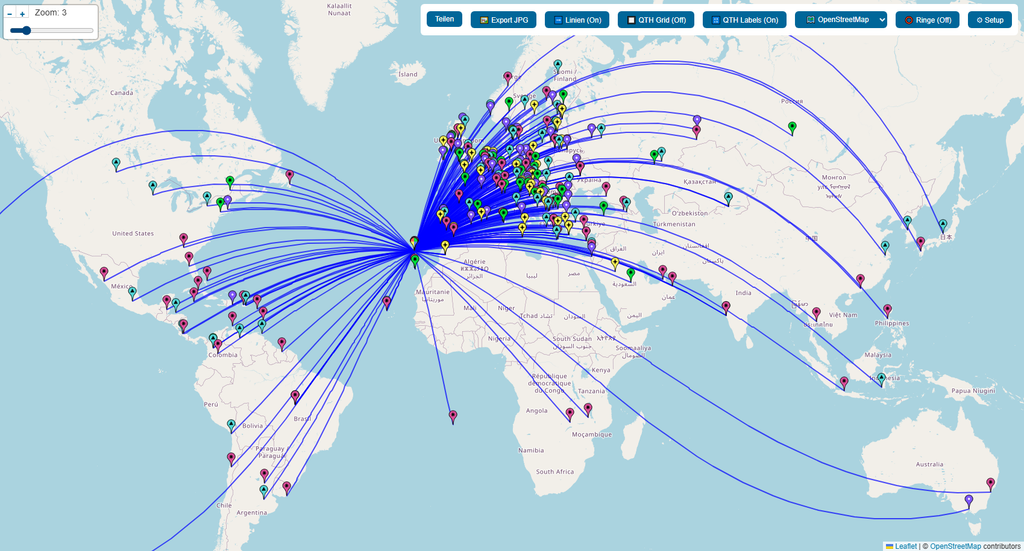
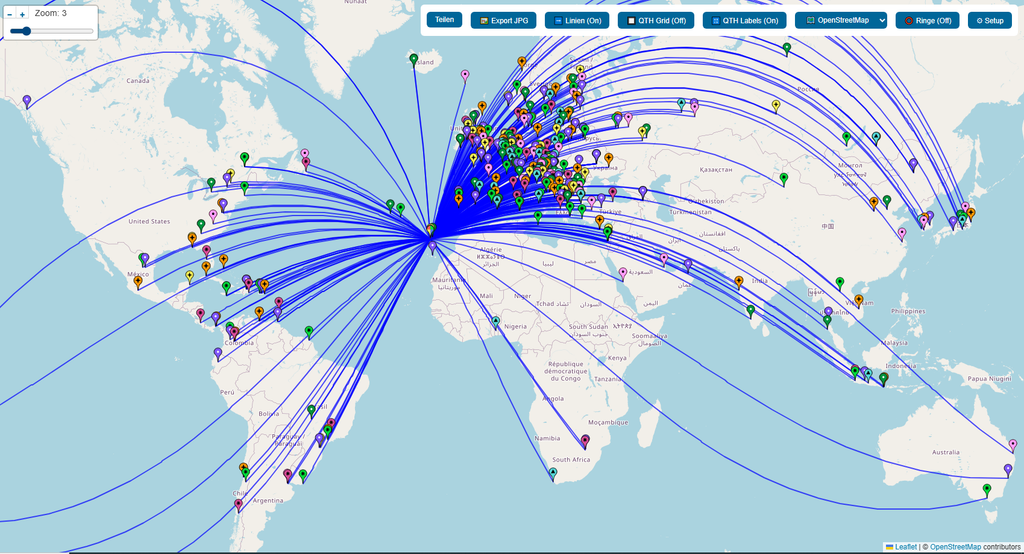
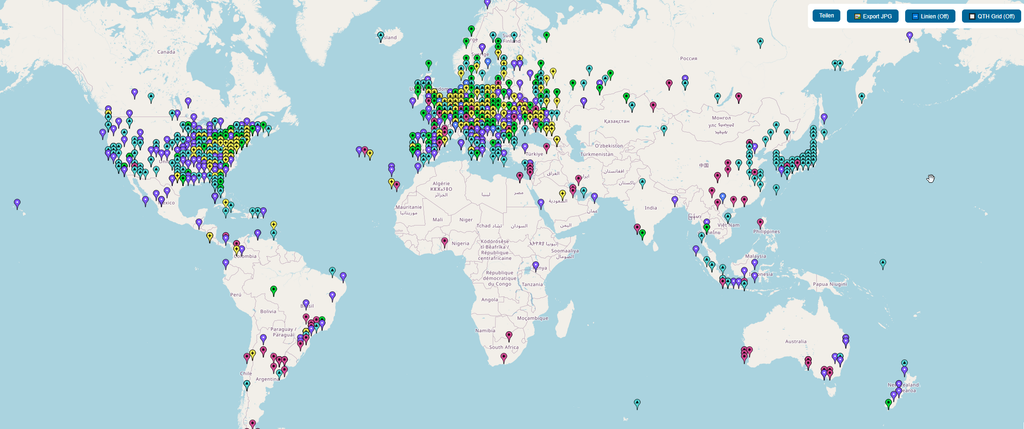
The map below shows the geographical spread of the contacts.
73 and see you in the next contest!
Helmut, DF7EE
Veröffentlicht unterUncategorized|Kommentare deaktiviert für CQ WW DIGI 2025 – LX7I
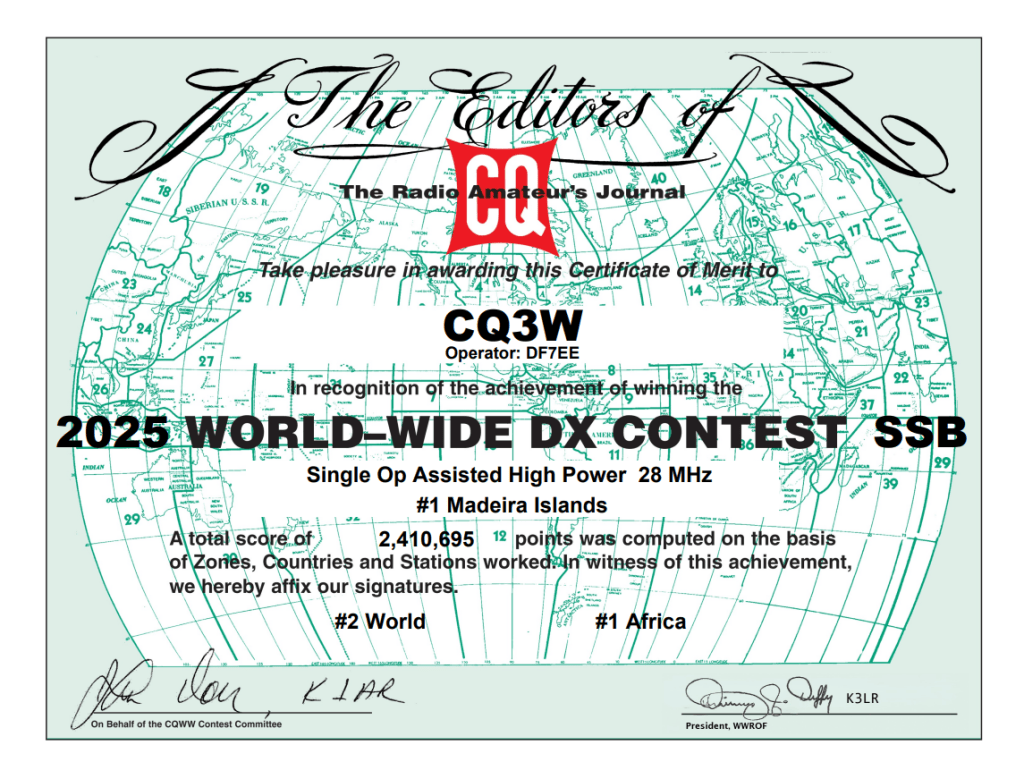
Here we go again! CQ WW SSB 2025 in Madeira, operating from the CR3W station in Santana.
As usual, we arrived at the station on Tuesday, activated the north tower and put a radio in place. The main setup day, as always, was Wednesday. We activated the South Tower and the portable mast with the 10m 4-element antenna.
So we had a Spiderbeam pointing into Europe at 20m, a 4-element monobander at 12m pointing to the US, and a 3-band beam with 3 elements at 16m to 10m for SA.
For a change, I brought my ICOM IC-7610 from Germany instead of the usual IC-7300, mainly to add the RX antenna option and the SO2VFO capability. The latter was actually not used at all during the contest.
Before the contest, I ran some FT8 QSOs and around 400 10m SSB QSOs for propagation and station checks – saved to voice for the weekend.
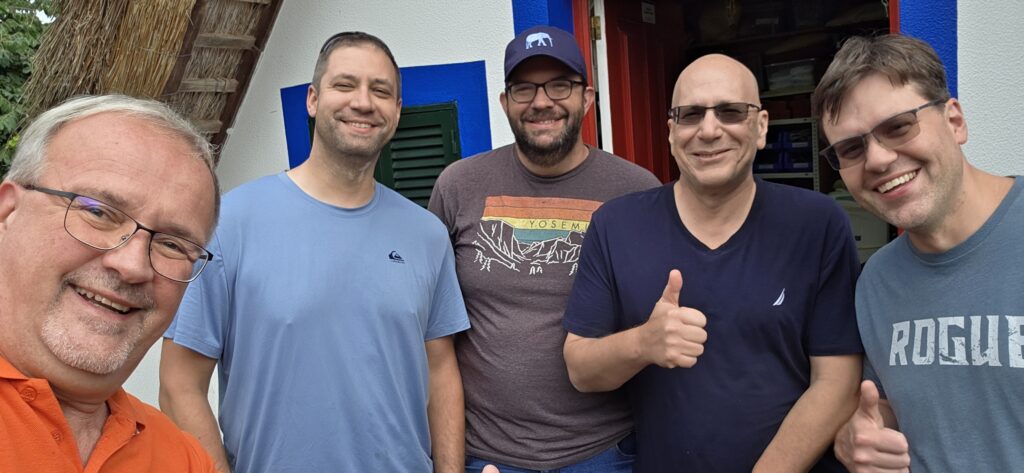
On Friday, a couple of hours before the contest, we had some VIP visitors coming down to Santana from the CQ9A operation.
From left to right: DF7EE aka CQ3W, Chris KL9A, Dan N6MJ, Dave KM3T and Will W9KKN.
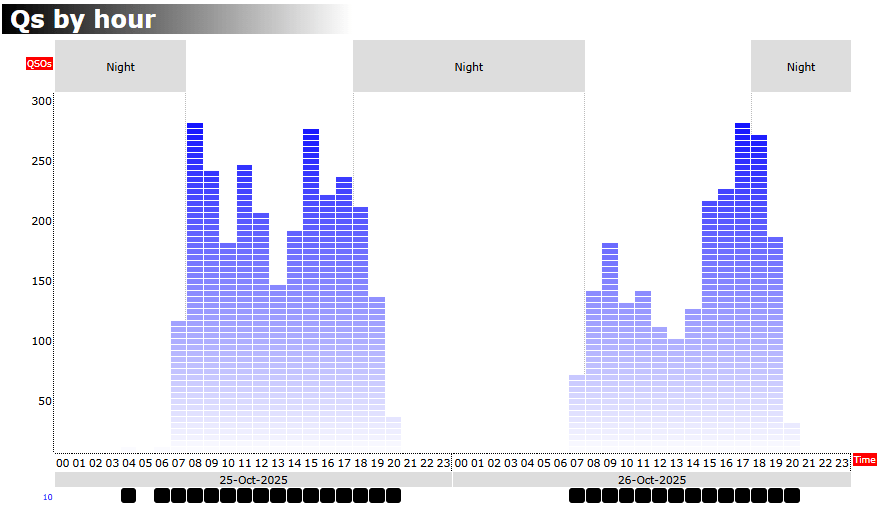
Everything was set, and the contest started with some promising rates right out of the gate: 109 (half hour), 272, 235, only 172 and 238. I thought that was a good start, but unfortunately, it did not hold up that way.
I had some very slow hours below 200, where I called CQ without any takers. Having CQ9A, CR3A and CT3KN on 10m at the same time did not really help. Just 2,600 QSOs after day one was not very promising, and the hope for an assisted WR was buried right away.
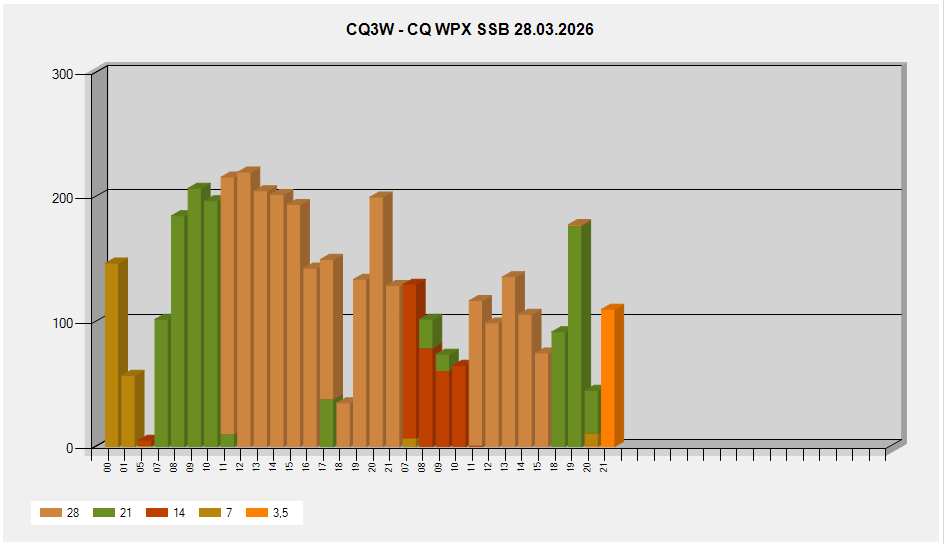
Day two was not really better until some very good final hours. Why can it not be above 250 all the time? The fastest hour was 275 QSOs, but I have had above 300 from Madeira before. The best 10-minute rate was 360.
Time distribution!
Some nice runs!
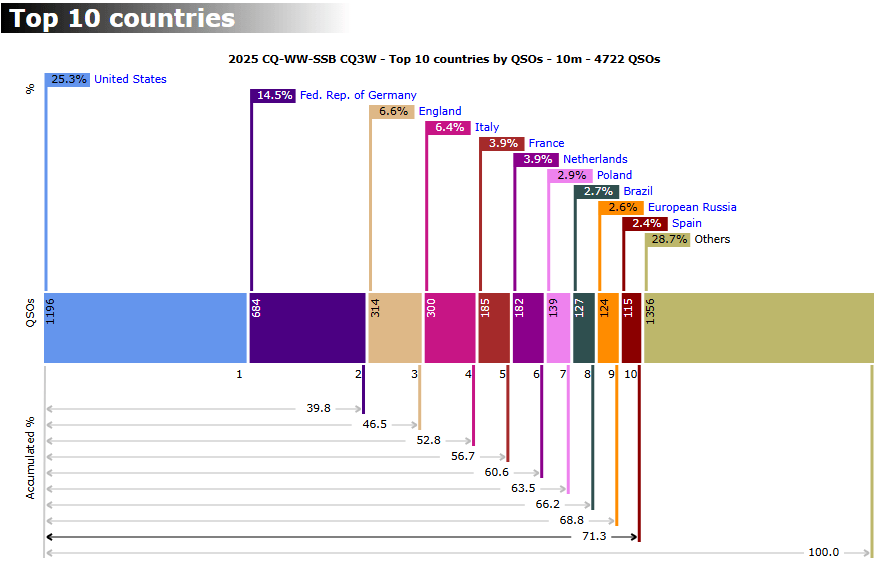
As always, the US is the biggest contributor for QSOs.
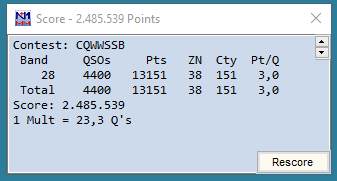
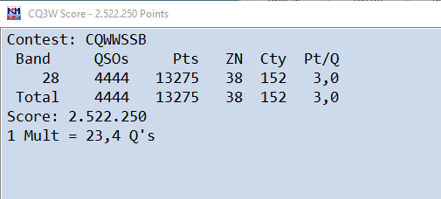
At the end, I was able to finish a little bit above last year’s score, but only a tiny bit:
CQ WW SSB 2024
CQ WW SSB 2025
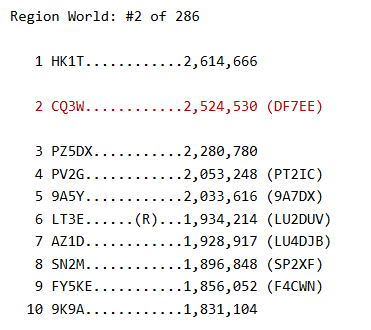
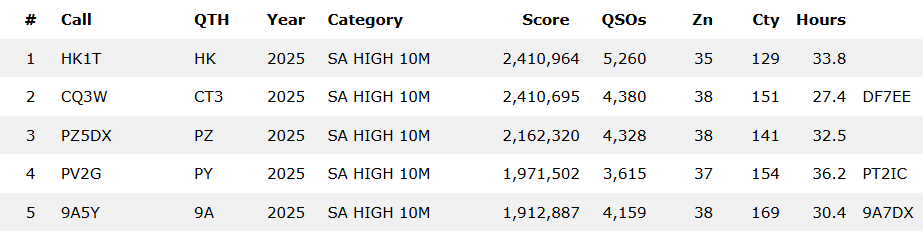
The official claimed/raw scores are out, and the seven-year streak has come to an end?
The gap is only 3.5%!
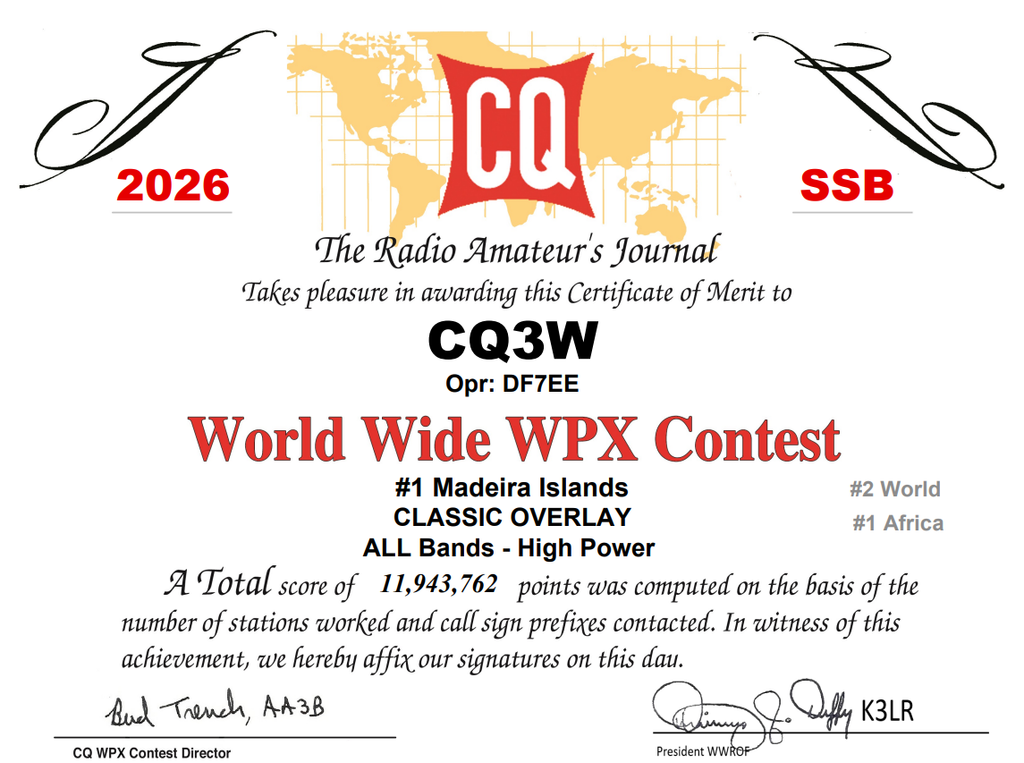
Update February 2026 – The gap is about 0.5 QSOs – I have to settle for number 2 in the world!
269 points gap in a 2.4 million score – that was f**** close!
Congratulations to HK1T for the #1 world spot!
I have to settle for #2 world (and last place Afrika) with a gap of 0.011% in score and 269 points.
Given that a 3 point QSO from Madeira is worth 567 points, the gap is about 0.5 QSOs!
I have not seen a closer call in all these years of contesting and I have to do a few more QSOs in October 2026 again.
What I have learned?
Further improve my error rate!
Keep pounding – one QSO can make a difference!
I would love to be single mult one time in my live.
Here is a short video recorded by DM1MT in Schöneck of how CQ3W sounds near home:
Thanks!
A big thanks to the Team CR3W, who let me use the station in Santana for the 25th time now, and to my wife Yvonne, who lets me get away two times a year and takes care of everything else!
Another big thanks to an old friend who helped me with the setup, teardown and, most importantly, live support during the operating hours! I am going to miss you next time.
I am open for support applications from now on.
The usual map:
As always – FT8 Haters, stop here and read this instead:
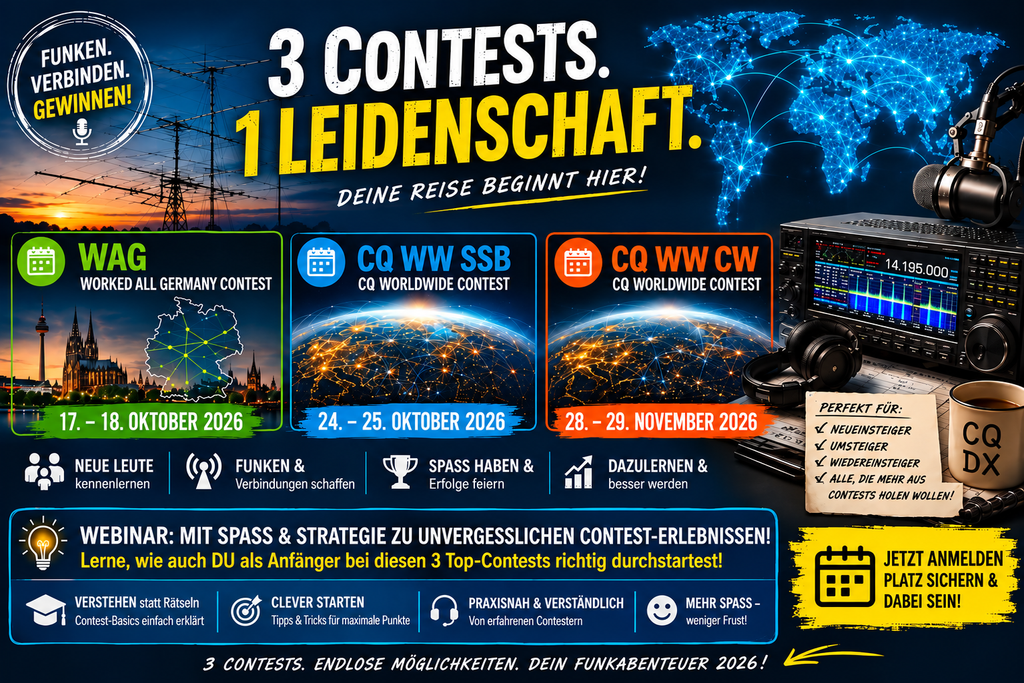
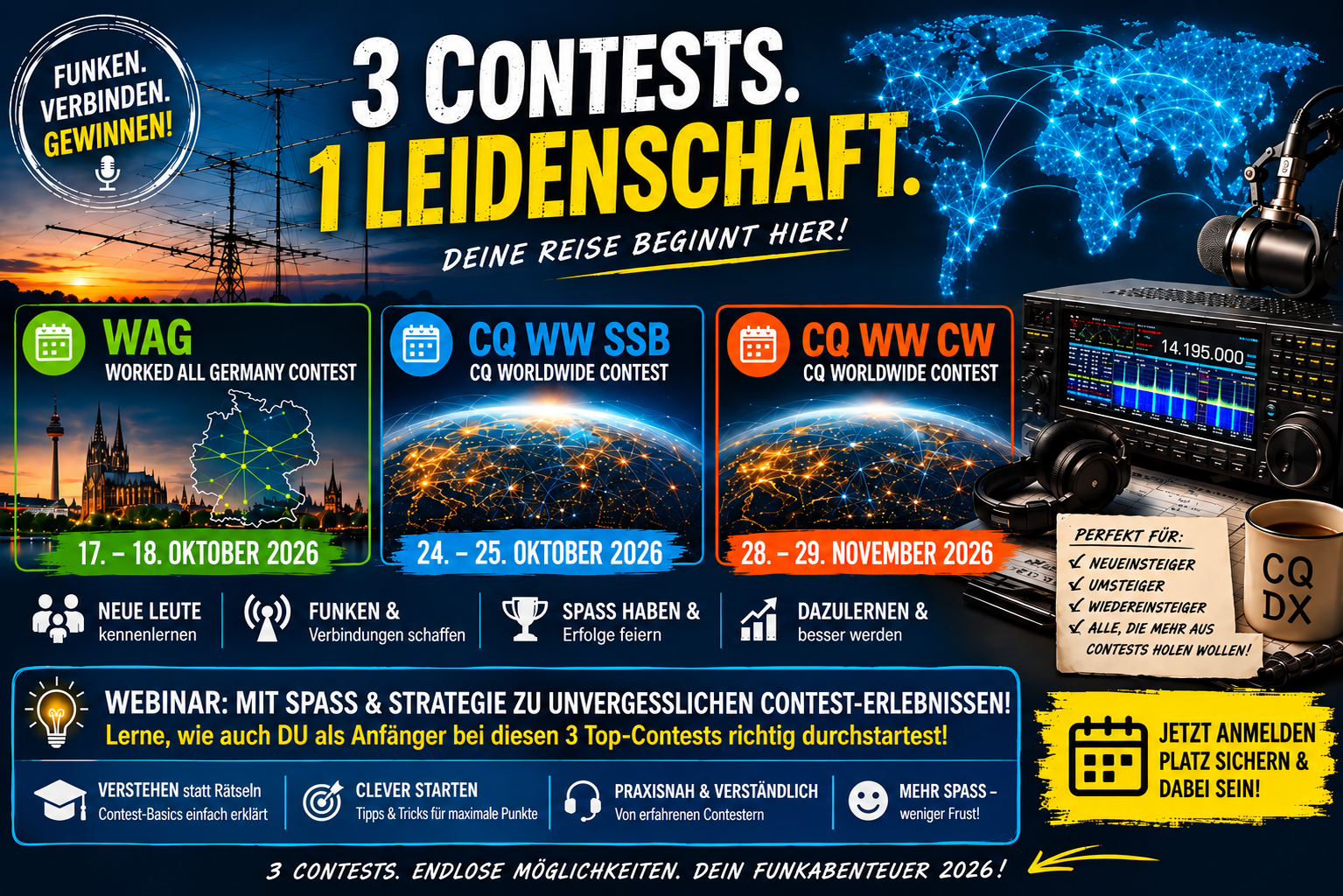
In den kommenden Wochen stehen gleich 3 Top-Conteste auf dem Programm – eine perfekte Gelegenheit, Contest-Luft zu schnuppern oder nach längerer Pause wieder einzusteigen!
Doch wie bereitet man sich richtig vor? Welche Technik braucht man wirklich? Und wie schafft man es, dass ein Contest vor allem eines macht: richtig Spaß!
Contest University verpasst? Macht nichts – Hier alles Wichtige vor dem WAG und den CQWW’s!!!
Am 2. Donnerstag im Oktober zeigen wir Einsteigern und Wiedereinsteigern, wie sie das Beste aus diesen spannenden Events herausholen können.
Der Contest Club gibt praxisnahe Tipps, echte Erfahrungen und hilfreiche Tricks an die Hand – unkompliziert, verständlich und direkt aus der Praxis.
Egal ob du deinen ersten Contest planst oder nach einer Pause wieder durchstarten möchtest: Schau vorbei bei unserem Webinar und entdecke, wie viel Spaß Amateurfunk-Contesting machen kann!
Kaum ein Thema polarisiert die Amateurfunkgemeinde so zuverlässig wie FT8.
Seit Joe Taylor, K1JT, und Steve Franke, K9AN, den neuen digitalen Betriebsmodus 2017 vorgestellt haben, taucht regelmäßig dieselbe Behauptung auf:
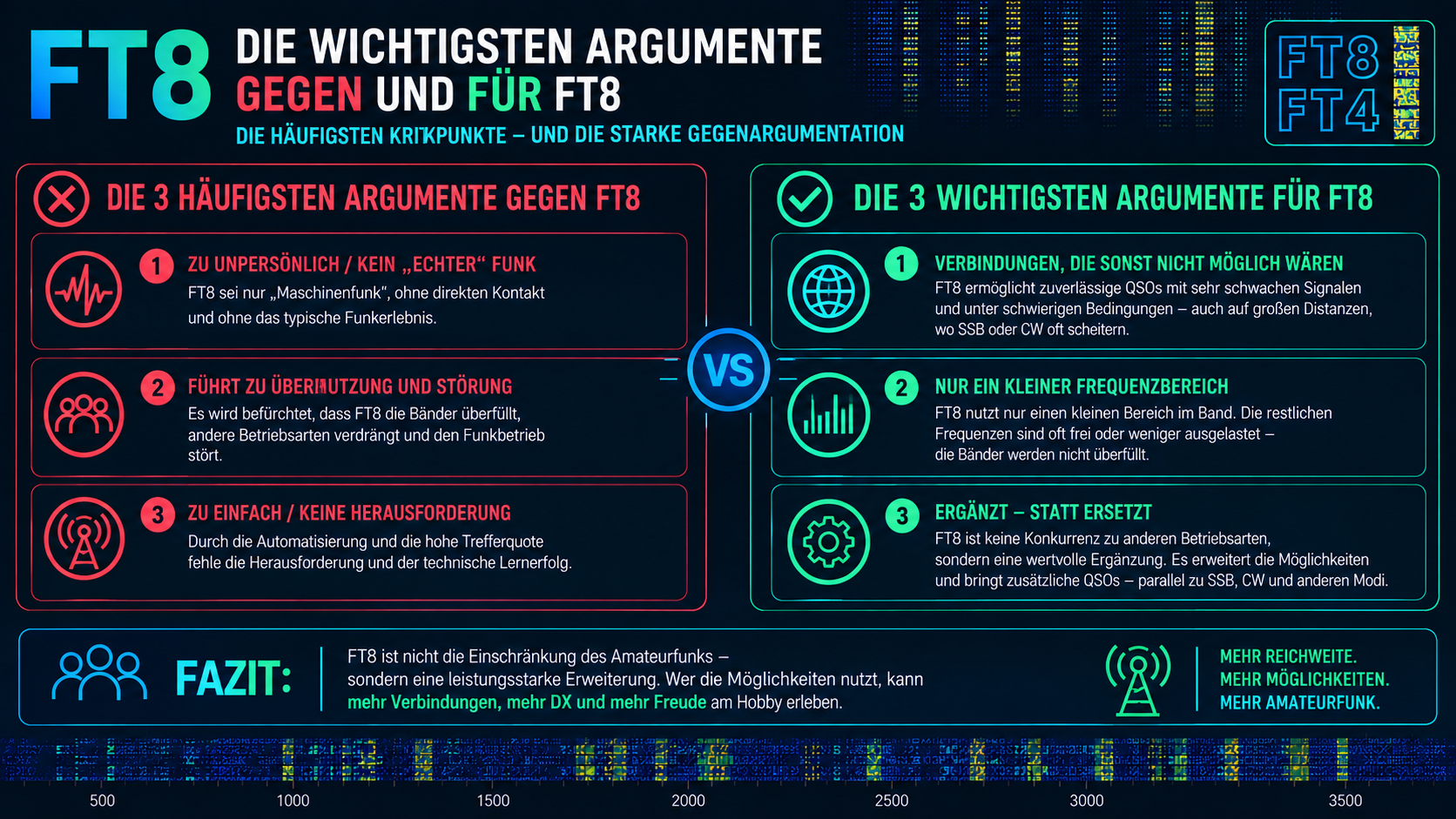
„FT8 kills Ham Radio!“
FT8 mache Amateurfunk unpersönlich. FT8 verdränge CW und SSB. FT8 sei gar kein „richtiger“ Funk mehr. Und überhaupt: FT8 habe den Amateurfunk kaputtgemacht.
Wirklich?
Ich bin kein FT8-Fanboy. Ich mache FT8, aber ich bevorzuge SSB und RTTY. CW macht bei mir ebenfalls einen erheblichen Teil der QSOs aus.
Genau deshalb möchte ich die Diskussion einmal nicht emotional, sondern mit Daten betrachten.
Und die Daten erzählen eine ziemlich interessante Geschichte.
dazu gleich mehr ….
2017: Der digitale Wendepunkt
FT8 wurde am 29. Juni 2017 von Joe Taylor und Steve Franke angekündigt. Der Name steht für Franke–Taylor design, 8-FSK modulation.
Das Ziel war von Anfang an nicht, SSB oder CW zu ersetzen.
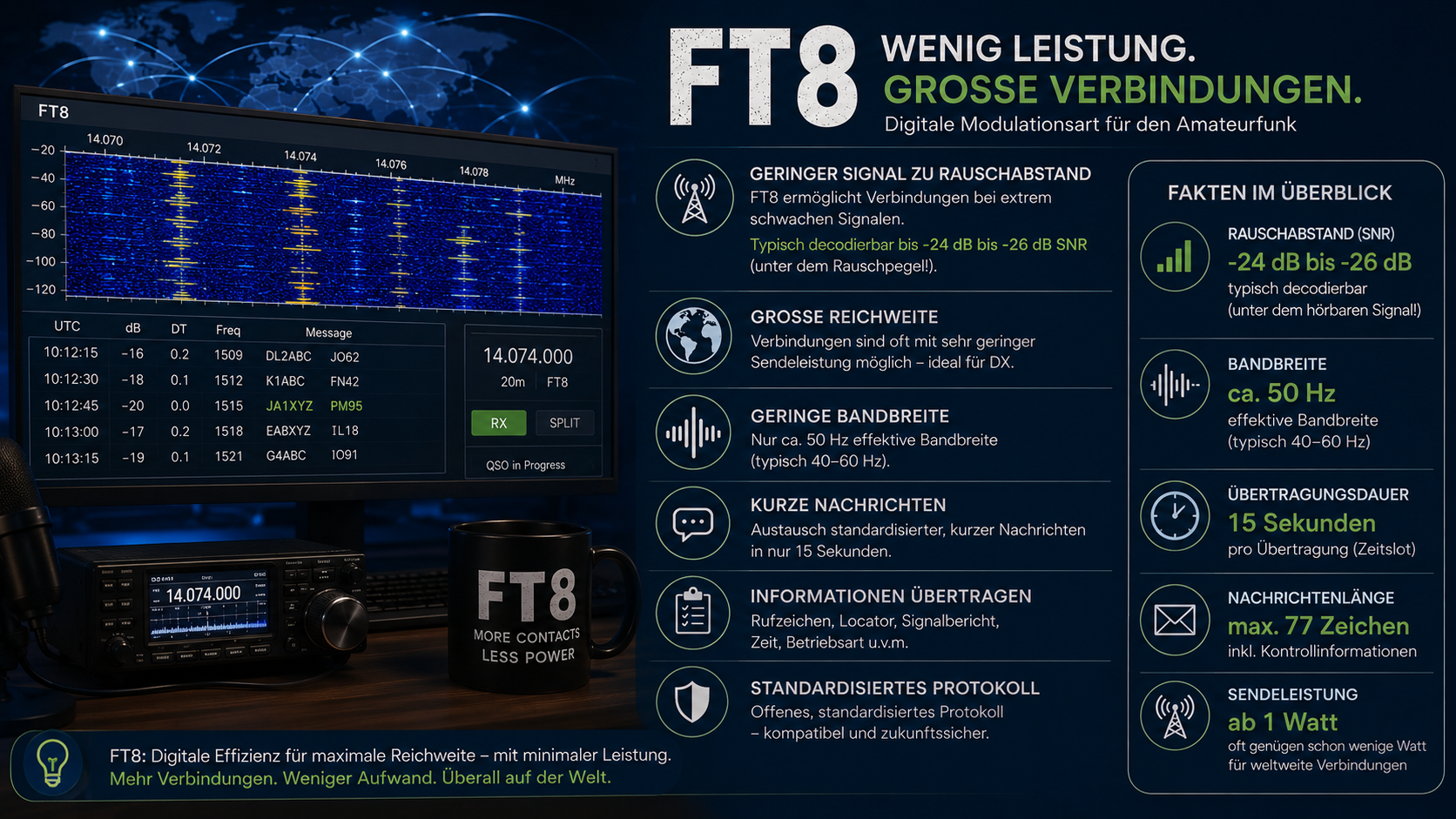
FT8 wurde für Situationen entwickelt, in denen Signale schwach sind, Ausbreitungsbedingungen schwierig sind oder Öffnungen nur kurz bestehen – und trotzdem ein zuverlässiges QSO möglich sein soll.
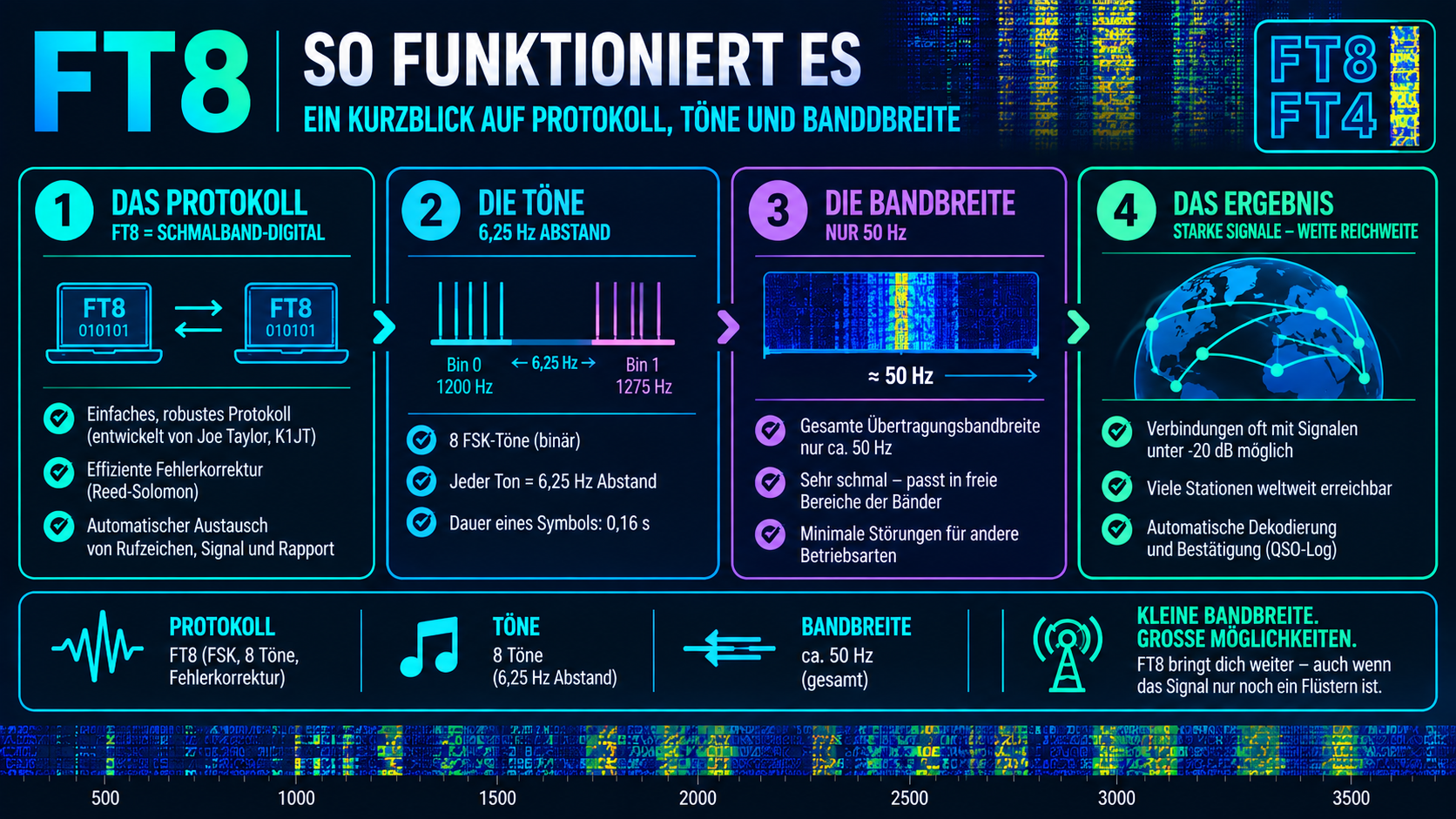
Die Technik ist bemerkenswert kompakt:
8-FSK
6,25 Hz Tonabstand
50 Hz Bandbreite
15-Sekunden-T/R-Sequenzen
starke LDPC-Fehlerkorrektur
automatisches Decoding mehrerer Signale
Damit kann FT8 Signale decodieren, die für das menschliche Ohr praktisch nicht mehr wahrnehmbar sind. Die heutige WSJT-X-Dokumentation beschreibt FT8 weiterhin als Weak-Signal-Modus; unter geeigneten Bedingungen sind weltweite HF-Verbindungen sogar mit sehr kleinen Leistungen und einfachen Antennen möglich.
Und dann kam Club Log
Eine der interessantesten Möglichkeiten, die Entwicklung zu betrachten, sind die von Funkamateuren zu Club Log hochgeladenen QSOs.
Schon 2017 zeigte sich der Effekt deutlich:
32 Millionen QSOs wurden 2017 insgesamt zu Club Log hochgeladen.
Davon entfielen 4,8 Millionen auf FT8.
Das entspricht rund 15 % aller erfassten QSOs – obwohl FT8 erst Mitte des Jahres auftauchte.
Das war kein langsames Wachstum.
Das war ein explosionsartiger Start.
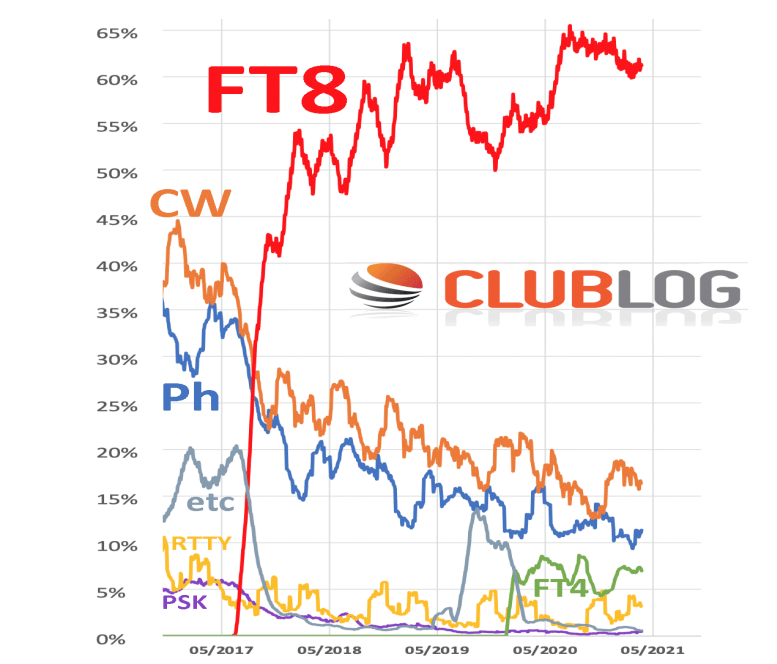
Aber hat FT8 dafür CW und SSB verdrängt wie es auf dem Bild aus sieht?
Hier wird es spannend.
Wenn FT8 tatsächlich einfach nur bestehende Funkamateure von CW und SSB weggenommen hätte, müsste man nach 2017 einen deutlichen Einbruch dieser Betriebsarten sehen.
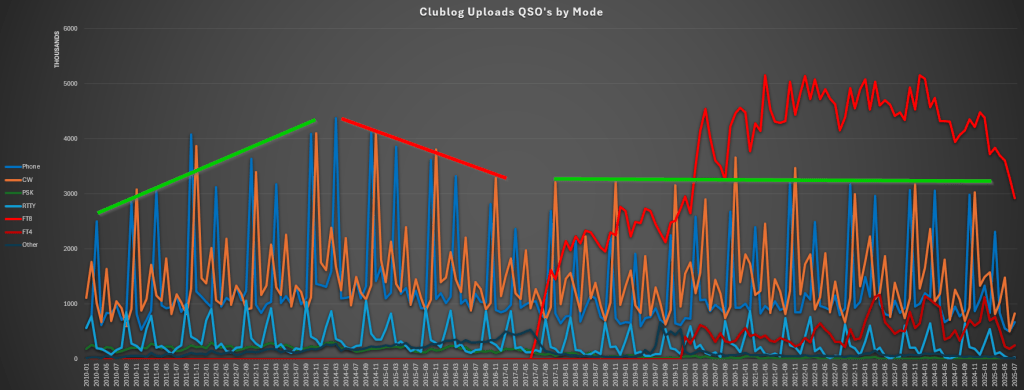
Aber genau das ist in den Club-Log-Daten nicht so eindeutig zu erkennen.
Die Zahl der erfassten QSOs stieg über die Jahre insgesamt weiter. Bereits die Club-Log-Auswertung 2018 zeigte 41,3 Millionen hochgeladene Kontakte, also 12 % mehr als im Vorjahr. Gleichzeitig stieg die Zahl der Nutzer, die mindestens ein FT8-QSO hochgeladen hatten, von rund 8.000 auf 14.200.
Und genau hier liegt der entscheidende Punkt:
FT8 hat nicht einfach einen bestehenden Kuchen neu verteilt.
Der Kuchen wurde größer!
Der entscheidende Denkfehler bei Prozentzahlen
Nehmen wir ein einfaches Beispiel.
Vor FT8:
5 SSB + 5 CW + 5 Other = 15 QSOs
Damit haben alle drei Bereiche jeweils:
33,3 %
Jetzt kommen zusätzlich:
10 FT8-QSOs
Dann haben wir:
5 SSB + 5 CW + 5 Other + 10 FT8 = 25 QSOs
Die Anteile sehen plötzlich so aus:
SSB → 20 %
CW → 20 %
Other → 20 %
FT8 → 40 %
Hat FT8 deshalb 13,3 Prozentpunkte von SSB und CW „gestohlen“?
Nein.
Die ursprünglichen fünf QSOs sind immer noch da.
Es sind einfach zehn neue QSOs hinzugekommen.
Das ist der zentrale Punkt, den man bei Prozentdiagrammen leicht übersieht.
FT8 wurde riesig – aber der alte Amateurfunk ist nicht verschwunden
Die Club-Log-Auswertungen zeigen seit Jahren eine massive FT8-Nutzung.
Die große Verschiebung fand vor allem zwischen 2017 und 2020 statt. In den Club-Log-Auswertungen stieg FT8 zeitweise auf über 60 % der erfassten Kontakte; FT4 stabilisierte sich später bei einigen Prozent. Gleichzeitig stieg die absolute Zahl der von Club Log erfassten Kontakte insgesamt weiter an.
Das ist ein wichtiger Unterschied:
Ein größerer FT8-Anteil bedeutet nicht automatisch weniger alter Amateurfunk.
Und genau deshalb ist die Frage
„Wie viel Prozent sind FT8?“
eigentlich weniger interessant als:
„Wie viele QSOs finden insgesamt statt – und wie viele Menschen sind dadurch zusätzlich aktiv?“
FT8 hat ein Problem – aber nicht das, was viele denken
Natürlich gibt es berechtigte Kritik.
Ein FT8-QSO ist kein Ersatz für ein 30-minütiges CW- oder SSB-Gespräch.
Das soll es aber auch gar nicht sein.
FT8 ist ein Spezialwerkzeug.
Die Entwickler beschreiben FT8 und die anderen WSJT-X-Modi ausdrücklich als spezielle Betriebsarten für Weak-Signal-Kommunikation. SSB und CW bleiben dagegen universelle Betriebsarten für Gespräche, DX, Contesting, Notfunk und vieles mehr.
Ein FT8-QSO sagt:
„Ich habe dich trotz dieser schlechten Bedingungen zuverlässig erreicht.“
Ein SSB-QSO sagt vielleicht:
„Erzähl mir, wie das Wetter bei dir ist.“
Beides ist Amateurfunk.
Nur eben auf unterschiedliche Weise.
Und dann gibt es noch den kleinen Balkon
Das ist für mich vielleicht der wichtigste Punkt.
Nicht jeder Funkamateur besitzt:
einen 30-m-Mast,
eine Richtantenne,
1 kW,
einen großen Garten,
einen ruhigen Standort.
Viele haben eine kleine Drahtantenne, einen Balkon oder eine eingeschränkte Wohnsituation.
Und genau dort kann FT8 enorm viel verändern.
Ein Signal, das für SSB zu schwach ist, kann über FT8 noch dekodiert werden.
Ein QSO, das mit CW schwierig oder unmöglich wäre, kann plötzlich funktionieren.
Und ein Funkamateur, der mit einer kleinen Antenne kaum etwas hört, bekommt plötzlich eine weltweite Rückmeldung:
Da draußen sind andere Stationen.
Das ist keine Zerstörung des Amateurfunks.
Das ist eine zusätzliche Möglichkeit.
FT8 braucht keine riesige Station
Das Schöne an FT8 ist deshalb nicht nur die Technik.
Es ist die niedrige Einstiegshürde.
Ein moderner Transceiver mit USB-Schnittstelle, Computer und einer kleinen Antenne kann bereits ausreichen.
Man braucht nicht zwingend eine Conteststation.
Man braucht nicht zwingend 100 Watt.
Und man braucht nicht zwingend perfekte Ausbreitungsbedingungen.
Das macht FT8 gerade für Stationen mit begrenzten Möglichkeiten interessant.
Die aktuelle WSJT-X-Dokumentation nennt ausdrücklich weltweite HF-Verbindungen mit wenigen Watt oder sogar Milliwatt unter geeigneten Bedingungen.
2026: FT8 ist alles andere als tot
Und hier wird die Geschichte besonders interessant.
FT8 ist nicht nach dem Boom von 2017–2020 verschwunden.
Im Gegenteil:
Am 18. Juni 2026 erschien WSJT-X 3.0.2.
Die offizielle Software unterstützt inzwischen elf verschiedene Modi – darunter FT8, FT4, Q65, JT65, MSK144, WSPR und weitere Weak-Signal-Verfahren.
Die aktuelle Version bringt unter anderem eine parallele FT8-Decodierung mit bis zu zwölf Threads sowie neue Filtermöglichkeiten.
Das bedeutet:
FT8 ist 2026 kein historisches Experiment mehr.
Es ist Bestandteil eines weiterhin aktiv entwickelten digitalen Ökosystems.
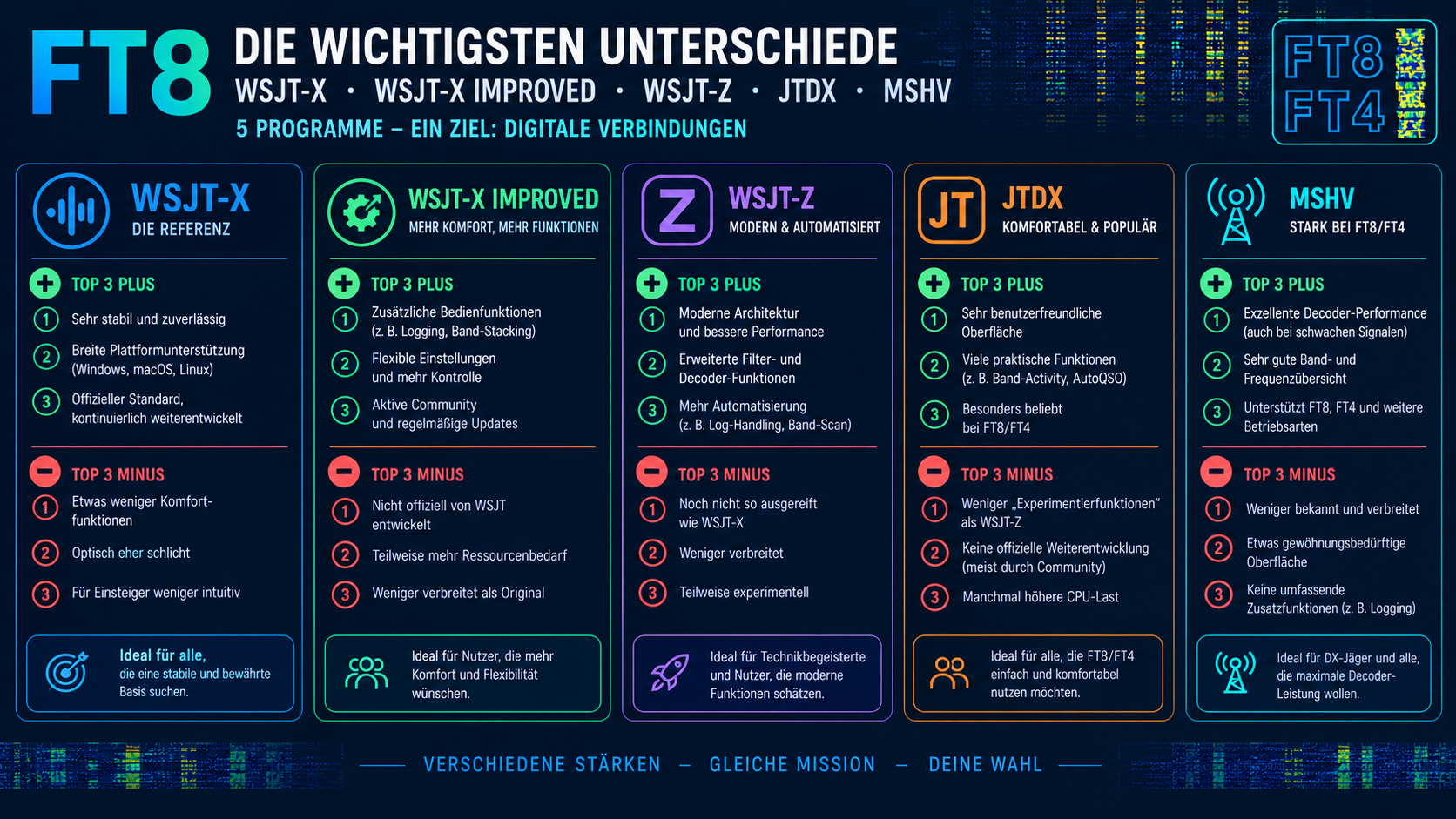
Hier sind die gängigen Programme:
Ein Blick auf die Funkaktivität 2026
Auch moderne Echtzeit-Netzwerke zeigen, wie groß die digitale Aktivität inzwischen ist.
PSK Reporter erfasst weltweit Empfangsmeldungen verschiedener Betriebsarten. In einem aktuellen Snapshot wurden innerhalb von nur zwei Stunden mehr als 1,4 Millionen FT8-Meldungen registriert – gegenüber nur wenigen Tausend CW-Meldungen im gleichen Zeitraum.
Wichtig:
Das sind keine QSOs.
Es sind Empfangs-/Spot-Meldungen.
Aber sie zeigen eindrucksvoll, wie groß die weltweite FT8-Infrastruktur inzwischen geworden ist.
Und genau deshalb sollte man 2026 nicht mehr über FT8 sprechen, als wäre es lediglich ein kurzfristiger Hype aus dem Jahr 2017.
Aber Vorsicht mit den Zahlen!
Hier muss man fair bleiben.
Club Log ist kein weltweites Amateurfunk-Zentralregister.
Nicht jeder Funkamateur lädt sein Log hoch.
Club Log ist besonders stark im DX- und Logging-Bereich vertreten.
FT8 lässt sich außerdem sehr einfach automatisch loggen, wodurch digitale Betriebsarten in solchen Datenquellen möglicherweise überrepräsentiert sind.
Deshalb wäre die Aussage
„FT8 hat definitiv 40 Millionen zusätzliche Funkamateure erzeugt“
wissenschaftlich nicht haltbar.
Was man dagegen sehr wohl sagen kann:
Die Club-Log-Daten zeigen keinen Kollaps des Amateurfunks nach Einführung von FT8. Sie zeigen vielmehr einen enormen zusätzlichen QSO-Bereich und eine massive Zunahme digitaler Aktivität.
Und das ist schon Aussage genug.
Was hat FT8 also wirklich verändert?
Meiner Meinung nach nicht den Amateurfunk selbst.
Sondern unsere Vorstellung davon, was eine Funkverbindung überhaupt möglich macht.
Früher war die Frage:
„Kann ich die Station hören?“
Heute kann die Frage lauten:
„Kann ich sie decodieren?“
Das ist ein gewaltiger Unterschied.
FT8 verschiebt die Grenze zwischen:
„nicht hörbar“
und
„nicht erreichbar“.
Und diese Grenze ist eben nicht dieselbe.
Hat FT8 Ham Radio getötet?
Nein.
Aber FT8 hat den Amateurfunk verändert.
Und das ist etwas völlig anderes.
SSB ist nicht verschwunden.
CW ist nicht verschwunden.
RTTY ist nicht verschwunden.
Contestbetrieb ist nicht verschwunden.
DX ist nicht verschwunden.
Und auch persönliche Gespräche werden nicht verschwinden.
Stattdessen gibt es heute eine weitere Möglichkeit, Funk zu machen.
Eine Möglichkeit, die besonders bei schwachen Signalen, kleinen Antennen, schwierigen Bedingungen und kurzen Bandöffnungen beeindruckende Ergebnisse liefert.
Vielleicht ist die bessere Frage eine andere
Nicht:
„Ist FT8 gut oder schlecht für Amateurfunk?“
Sondern:
„Bringt FT8 Menschen auf die Bänder, die sonst nicht dort wären?“
Wenn die Antwort auch nur teilweise Ja lautet, dann hat FT8 bereits etwas Wichtiges erreicht.
Denn Amateurfunk lebt nicht davon, dass alle dasselbe machen.
Er lebt davon, dass Menschen experimentieren.
Warum kann ich darüber erzählen?
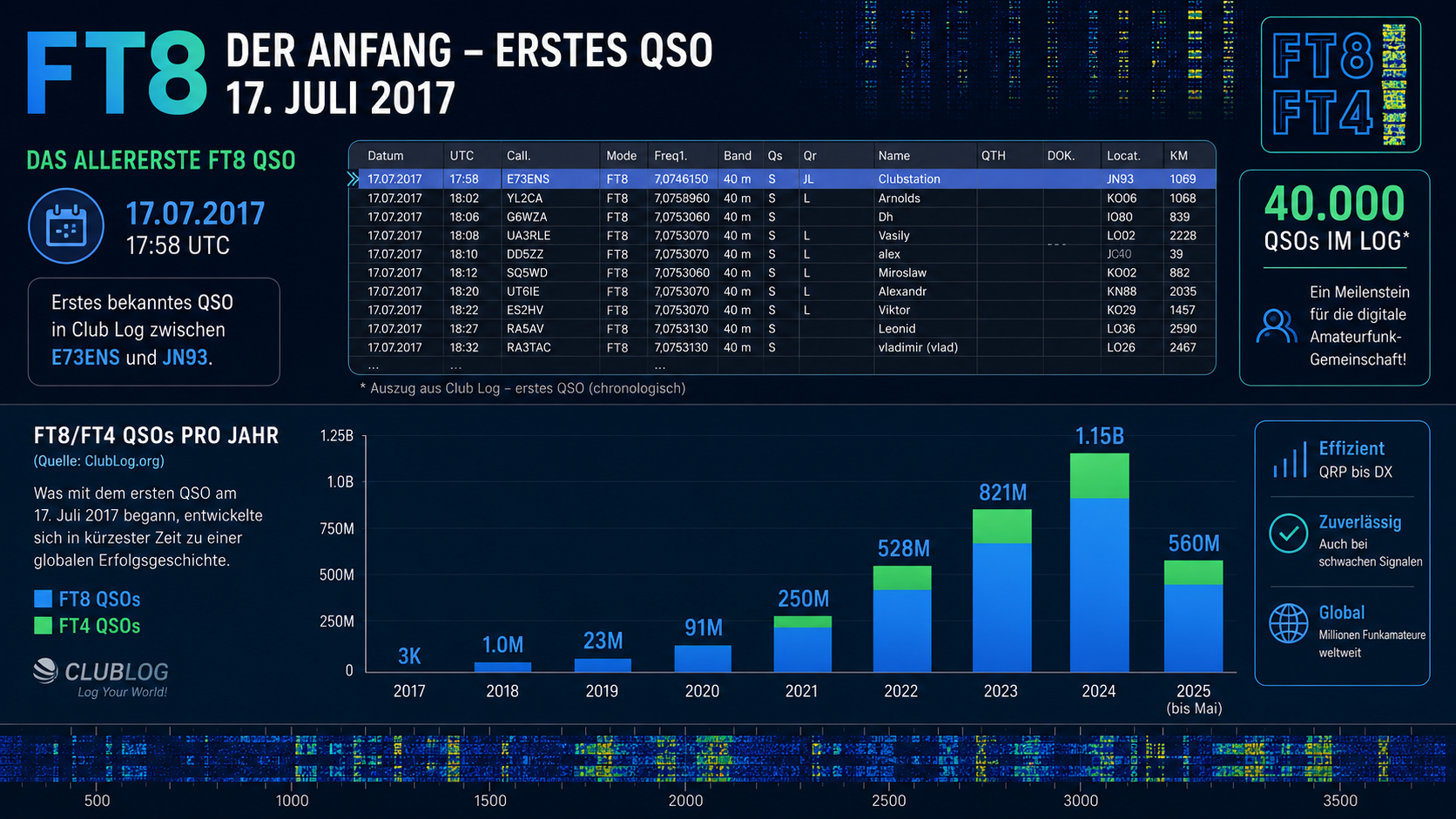
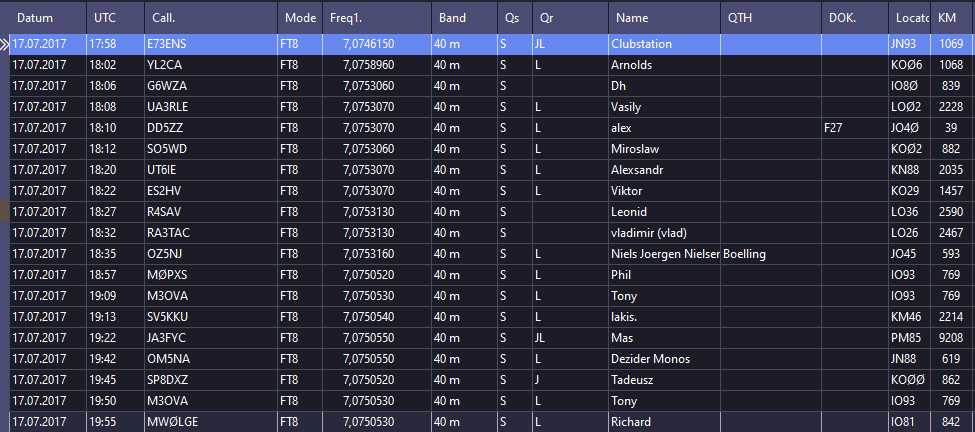
Mein erstes FT8 QSO war am 17.7.2017 ganz kurz nach dem Start!
Alex, DD5ZZ hat mich damals auf den neues „heissen Scheiss“ aufmerksam gemacht! QSO Nummer 5!
Am 8. Oktober 2026 gibt es auf rrdxa.org ein webinar zum Thema Contest für Einsteiger!
After winning the 2025 CQ WPX SSB from Madeira, operating as CQ3W, I thought: why not give it another shot and see if I could push the score even further?
So, back to Madeira!
The Setup
The trip started almost suspiciously smoothly.
Flights were on time, the taxi was waiting at the airport, and I could start setting up almost immediately after arriving at Casa Da Tia Clementina in Santana.
This year I had one day less than usual, arriving on Wednesday instead of Tuesday. But fortunately, everything was ready to go by the end of the first day.
I put a few hundred test QSOs into the log on SSB and also had FT8 running for those who are still collecting Madeira.
The plan was simple: repeat last year’s strategy.
Avoid the slow hours and concentrate on periods where high rates were possible. Stay away from the low bands unless there was a good reason to go there.
The math is pretty straightforward:
100 QSOs on 40m are worth roughly the same as 200 QSOs on the higher bands.
So, in this game, anything above 100 QSOs per hour is a win!
Day One – What a Start!
Day One started with a bang.
The low-band rates weren’t particularly exciting, but the high bands were absolutely rocking.
The numbers looked really promising, and I had a very good feeling that I might actually be able to improve on last year’s score.
There were many hours close to 200 QSOs/hour, with a few even higher.
Exactly what I had been hoping for.
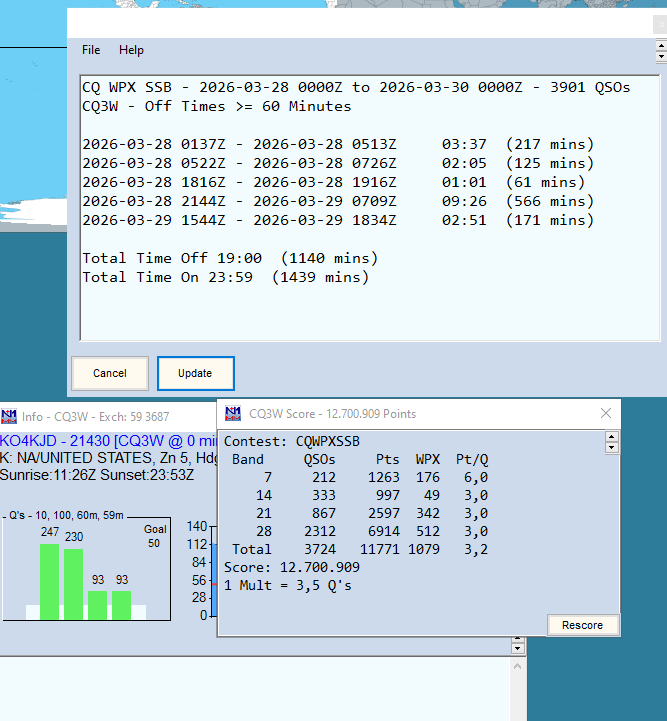
I finished the first day with around 2,700 QSOs.
Sounds great, right?
Well… there was a problem.
My score was approximately 900,000 points behind last year’s score at the same stage.
What the hell had happened?
Day Two – Where Did Everybody Go?
I started Day Two highly motivated.
But no matter what I tried, I simply couldn’t find a decent rate.
20m?
Below 100 QSOs/hour.
Try 15m?
Not much better.
Maybe 10m?
Nothing.
Where had everybody gone?
The frustration slowly started to build, and at this point my dreams of improving the world record were pretty much gone.
I had to settle into hour after hour below 100 QSOs, repeatedly calling CQ just to squeeze another contact out of the band.
And that really sucked.
The obvious decision would have been to stop accepting the slow hours, take a break and wait for conditions to improve.
But I didn’t do it.
That was my huge mistake.
Instead, I kept grinding away.
Only about half an hour before my allowed 24 hours of operating time for the Classic category expired did I finally take a break and wait for the US to open.
And guess what?
That decision was absolutely right — just way too late!
When I restarted, I suddenly had a really good 1.5-hour run.
Well… „really good“ for Day Two.
The problem was that only the first 25 minutes of that run actually counted towards my Classic-category score.
DANG!
The Classic Result
The final score for the Classic category was therefore well below last year’s result.
At first, it looked like I had lost roughly 120,000 points compared with the previous year.
That was disappointing.
But contesting isn’t over until the logs have been checked.
Update – June 9, 2026
The final results are now out.
And the good news?
That initial 120,000-point deficit melted down to just 5,200 points.
Or, put another way:
Two QSOs.
That’s how close it ultimately was.
After all the hours of sweating over rates, propagation and band changes, the final difference came down to just two contacts.
That’s contesting!
But I Kept Going…
Even though the Classic competition was effectively decided for me, I wasn’t ready to shut everything down.
I continued operating, mainly because I wanted to get to 4,000 QSOs.
And, just for fun, I even spent some time on 80m.
After around 27 hours, I finally decided that it was game over.
Time to stop staring at the screens and find myself a glass of wine in the kitchen at Casa Da Tia Clementina.
Because apparently, I can’t do a contest without them.
Thanks to the CR3W Team
A huge thank you once again to the entire CR3W team for continuously improving the station in Madeira and for giving me the opportunity to operate from there.
This was my 26th trip to operate from the station.
And there is already another one planned:
Trip #27 will be CQ WW SSB in October!
Without you guys, none of this would be possible.
Thank you!
And Now… The FT8 Part
If you’ve actually made it this far through the story, it’s time to say goodbye to all the FT8 haters.
You know the drill. 😉
As usual, I also added around 3,500 QSOs in FT8, plus a little FT4, to the log.
And I still don’t really understand why there is such a huge pile-up and so much demand for FT8 from Madeira.
You can work Madeira on FT8 practically every day.
There are plenty of local stations active, including CT3MD, CT3IQ and CT3KN, just to name a few.
But apparently, people still want another one.
So… who am I to complain?
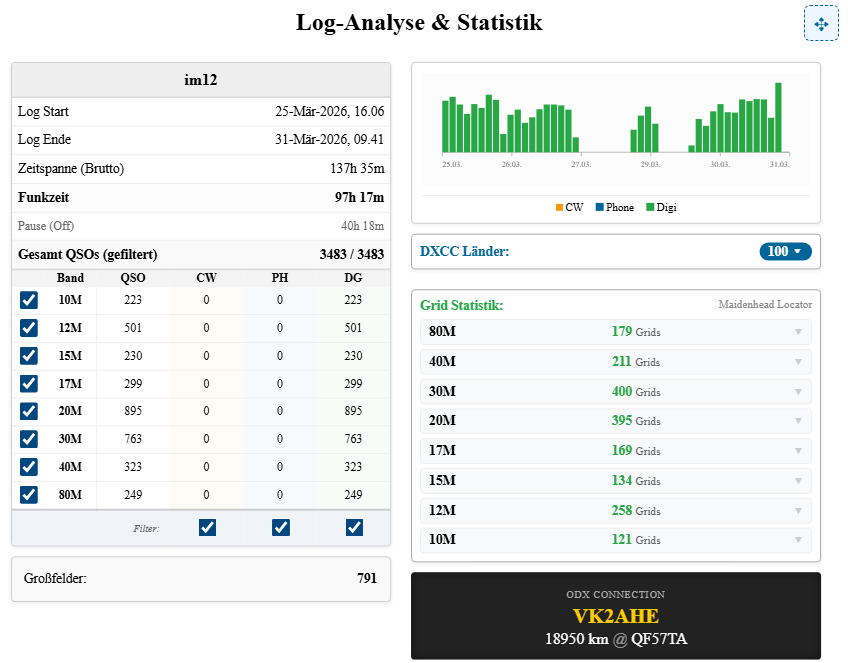
FT8 Statistics
Here are the numbers.
The statistics were taken approximately 1.5 hours before the end of the operation, so the final totals were slightly higher.
And, naturally…
There are maps, too.
QSL Information
Thanks to everyone for all the QSOs!
All CT9/DF7EE and CQ3W QSOs have been uploaded to LoTW.
For paper QSL cards, please use Club Log OQRS only.
Please do not send your card via the bureau.
I am not monitoring bureau cards for these calls and will not be answering them.
OQRS only
This also applies to QSOs from previous years.
Through OQRS you can request a paper QSL card via bureau or direct, and I will be happy to send it.
That’s It!
Another Madeira contest adventure is in the log.
The score wasn’t quite what I had hoped for, but that’s the beauty — and frustration — of contesting.
Sometimes everything comes together.
Sometimes the bands simply don’t cooperate.
And sometimes you spend hours calling.
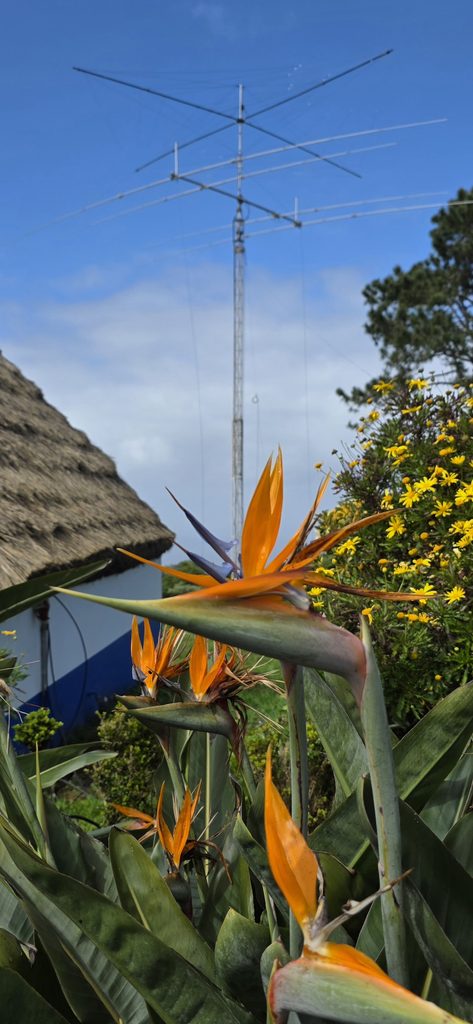
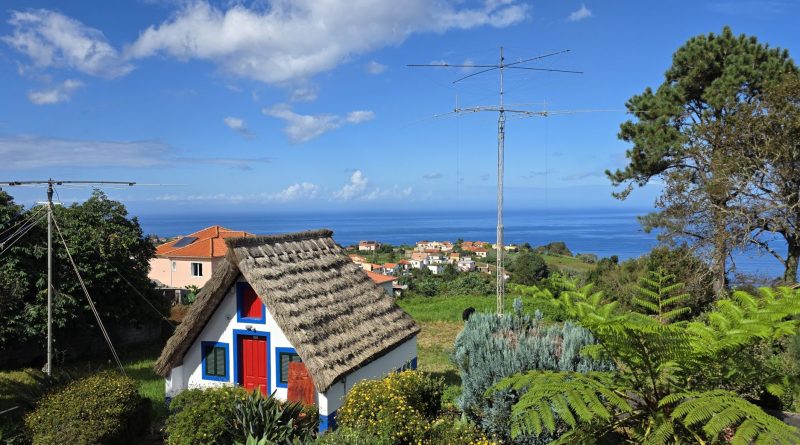
Some pictures from Madeira …
73
Helmut DF7EE
Veröffentlicht unterCONTEST, CQ3W|Kommentare deaktiviert für CQ WPX SSB 2026
Here we go again — the end of August means it’s time for the WW DIGI Contest!
After having an absolute blast in 2025, I was really looking forward to another round at LX7I.
With almost 2,000 QSOs in the log last year, I was highly motivated to see if I could repeat that performance.
Getting Ready
I started setting up on Friday before the contest. The hardware and antennas at LX7I were already in place, so the main job was getting the two remote PCs at home connected and ready to go.
Everything went smoothly, and I was able to start right on schedule.
The setup consisted of:
Two laptops running SmartSDR
A second 27″ monitor for WSJT-X, remote antenna switching and PXGL monitoring
Up to 500 W output on FT8
A third PC as my normal station computer, with two 27″ monitors for N1MM, log management and all the other tasks that inevitably come with a contest
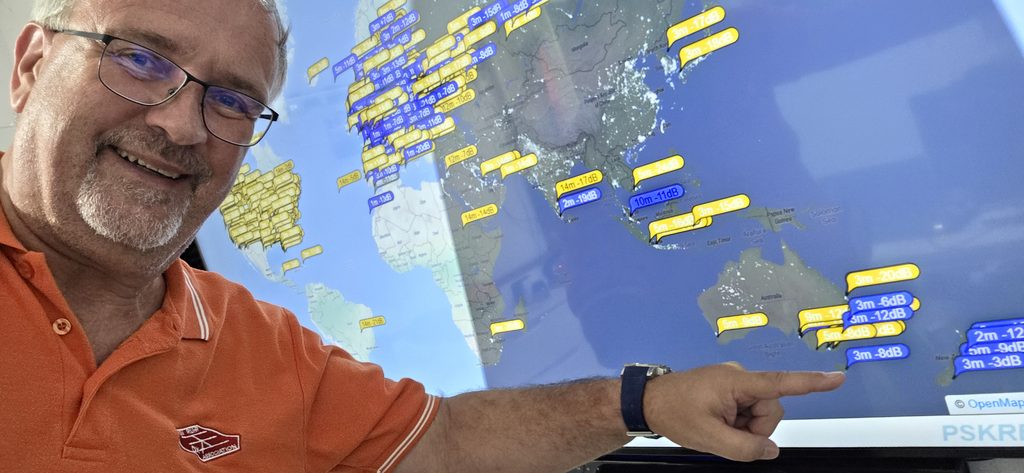
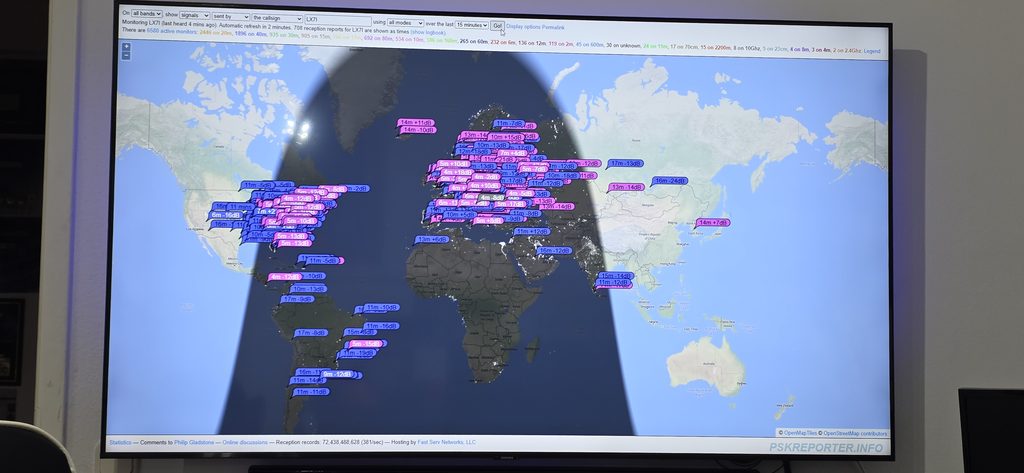
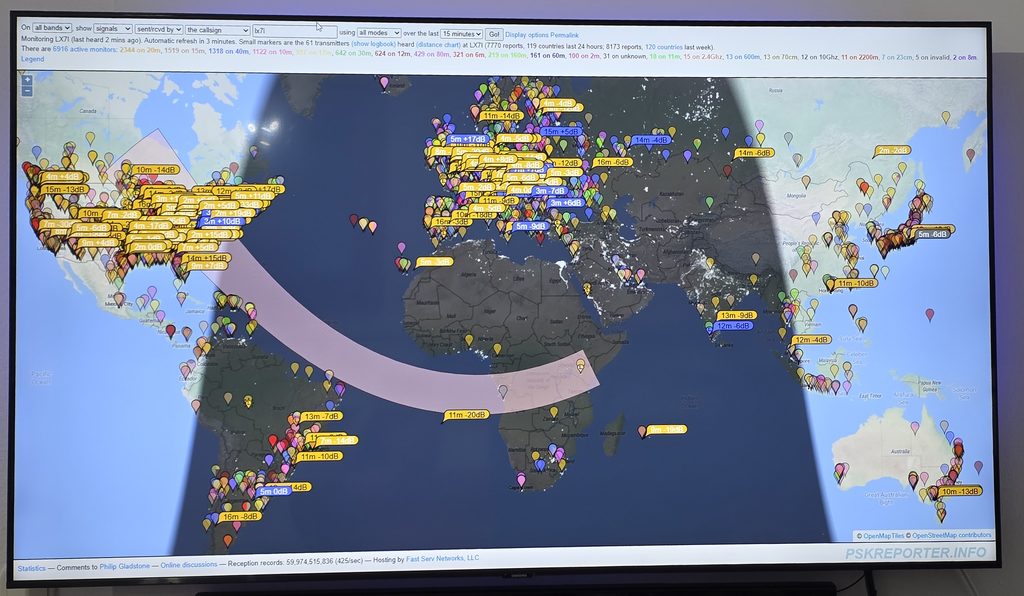
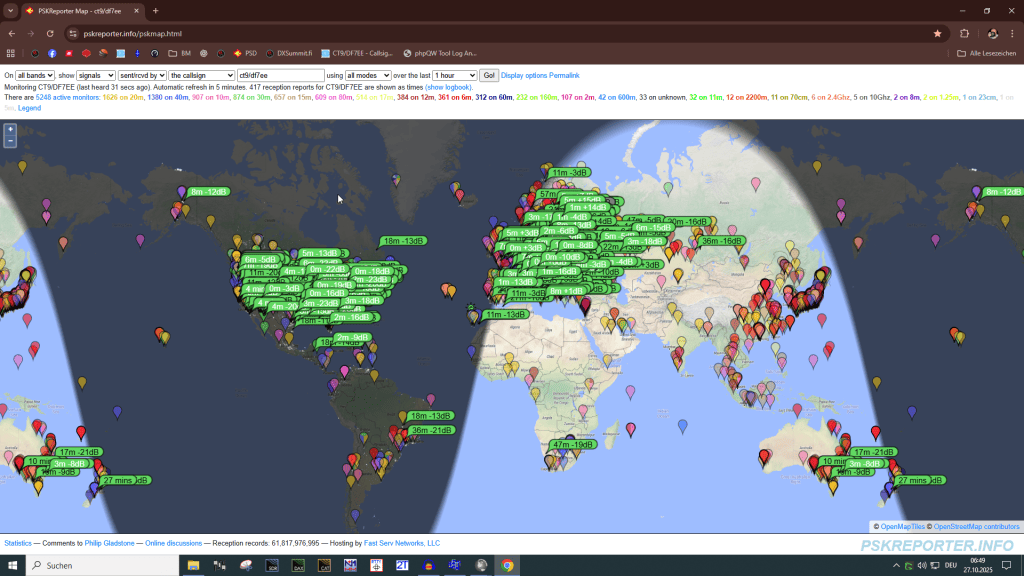
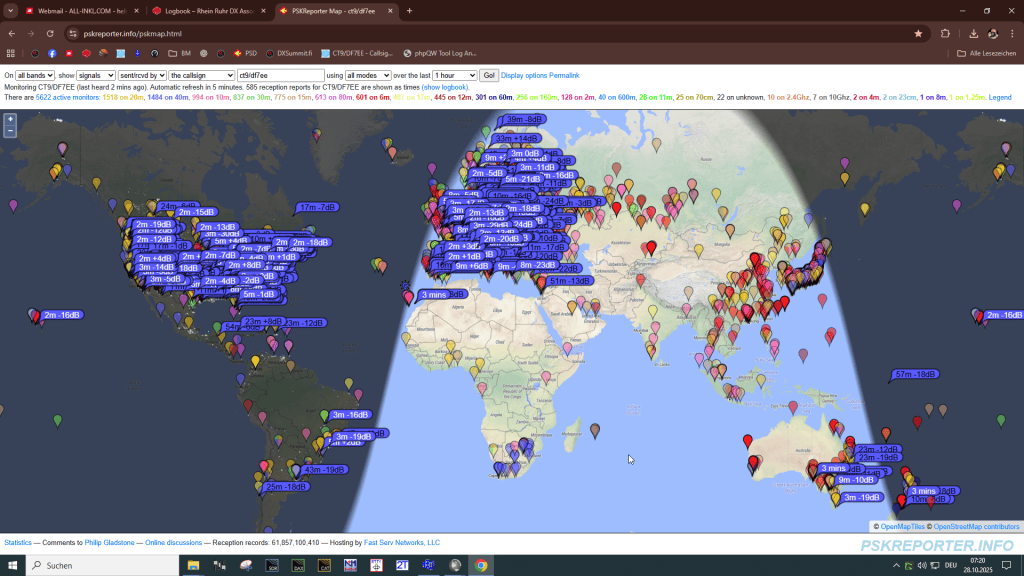
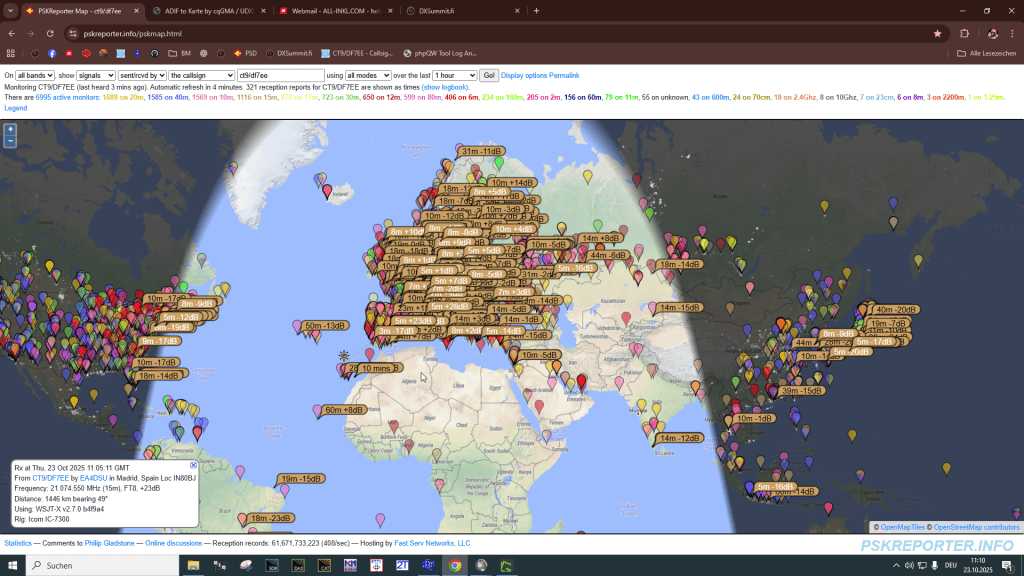
And, of course, the 65″ screen on the wall, dedicated to real-time propagation monitoring with the PSKReporter map
Because apparently, you can never have too many screens during a contest! 😉
[Image]
Where Is Everybody?
One of those classic contest moments:
You look at the map and wonder why nobody is calling from exactly the places you need.
[Image]
Unfortunately, after just a few hours it became obvious that both propagation and participation were significantly below the levels of 2025.
That made reaching last year’s QSO count impossible, despite a lot of effort.
At some point in the morning, I had to take a short nap — I simply couldn’t concentrate properly anymore. And later, a small technical problem that I couldn’t fix remotely forced me to stop about two hours earlier than planned.
Not exactly the perfect recipe for another 2,000-QSO weekend!
Still a Lot of Fun
Despite the lower activity, the contest was great fun.
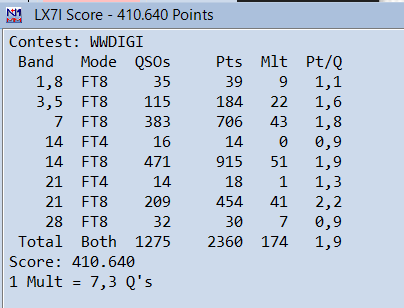
In the end, I finished with a claimed score of:
410,640 points
[Image]
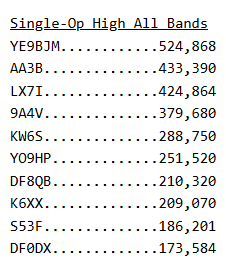
If the log checking is kind to me, the final result should put me somewhere around #1 in Europe and #3 worldwide.
Of course, now it’s time to wait and see what the official results say!
Thanks, Philippe!
A huge thank you to Philippe for once again giving me access to his fantastic superstation LX7I.
It is always a pleasure to operate from such a great station, and I really appreciate the opportunity.
Hopefully I’ll be back there for CQ WW RTTY in September!
Thanks to Everyone Who Called
And, of course, a big thank you to all the callers!
Sorry to everyone I couldn’t work — whether because of propagation, timing, QRM, fading signals, or simply because the contest gods decided otherwise.
There is always another QSO waiting somewhere on the bands.
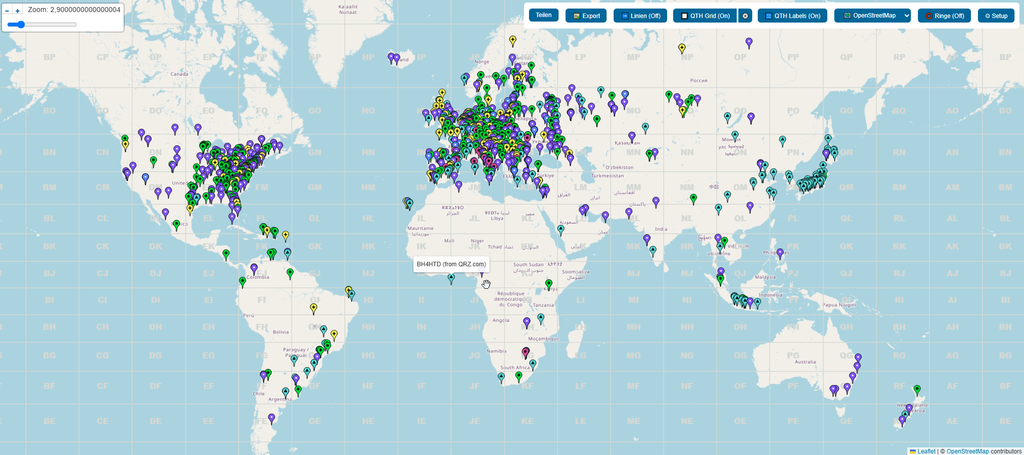
Wait… Where Is the Map?
Come on…
There can’t be a contest without a MAP! 😎
[Image]
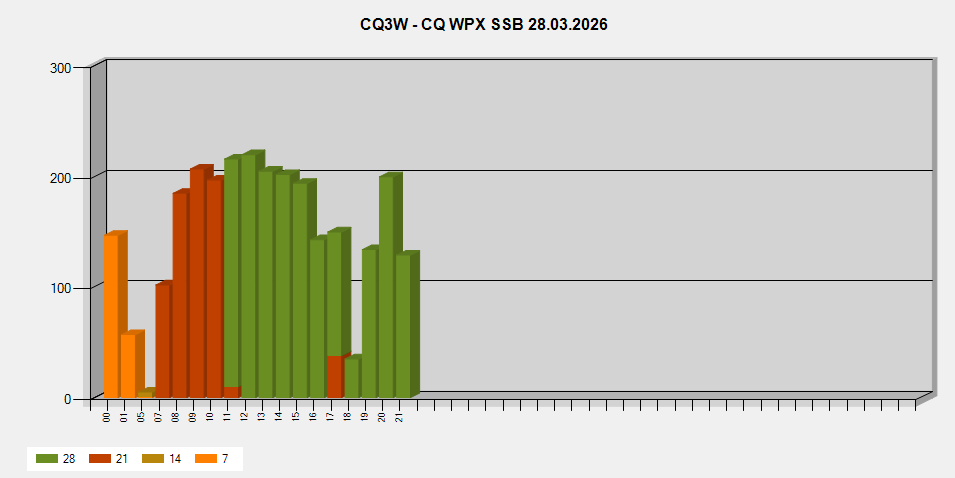
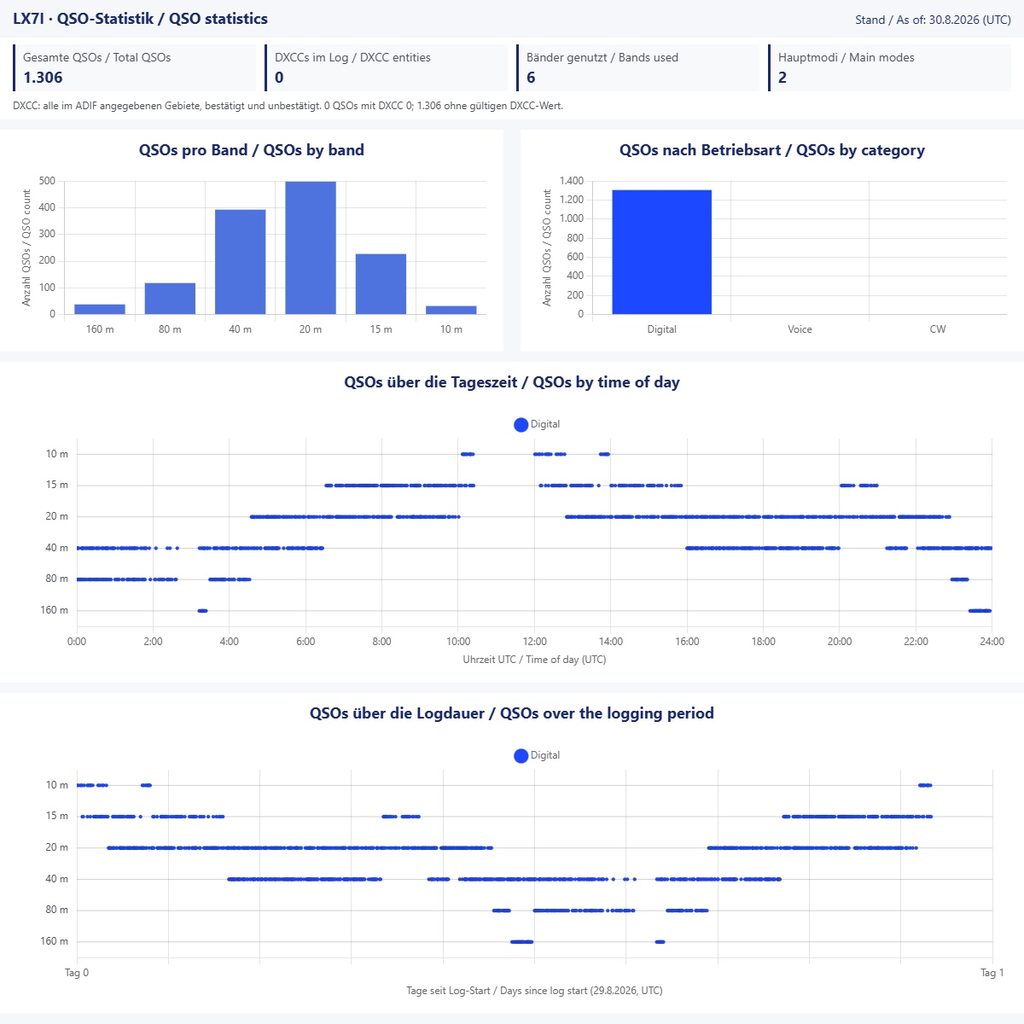
And, naturally, a few statistics to go with it:
[Image]
Thanks again to everyone who made the contest enjoyable.
See you on the bands — and hopefully from LX7I again in September!
If you like to see more about my station, contest activities, click those links!
NEXT STOP: CQ WW SSB 2026 CQ3W
My Number #1 Results :
LX7I @ WW DIGI 2026 claims EU #1 SOAB CQ3W @ CQ WPX SSB 2026 is AF #1 (W#2) SO(C) CQ3W @ CQ WW SSB 2025 is AF #1 (W#2) SA10 LX7I @ CQWW RTTY 2025 is EU #1 EU Record SO(C) LX7I @ WW DIGI 2025 is EU #1 SOAB EU Record CQ3W @ CQ WPX SSB 2025 is World #1 SOABC CQ3W @ CQWW SSB 2024 is World #1 SA10m CR3W @ CQ WW RTTY 2024 is World #1 M/M CQ3W @ CQ WW SSB 2023 is World #1 SA10m CQ3W @ CQ WPX SSB 2023 is Africa #1 SA10m CQ3W @ CQWW SSB 2022 is #1 World SA10m CR3W @ CQ WW RTTY 2022 is #1 World M/M CQ3W @ CQ WW SSB 2021 is #1 World SA 15m CQ3W @ CQ WPX SSB 2021 is #1 World SO (C) LX7I @ CQ WPX RTTY 2021 is #1 World SO20m CQ3W @ CQ WW SSB 2020 is 1# World SA15m LX9DX @ WW DIGI 2020 is EU #1 W#2 M/M DF7EE @ CQ WW CW 2019 is DL #1 SA LP D4C @ CQ WW SSB 2019 is World #1 M/M LX7I @ WW DIGI 2019 is World #1 SOAB LX7I @ WAEDC RTTY 2018 is World #1 M/S DF7ZS @ CQ WW CW 2018 is DL #1 SA LP CQ3W @ CQ WW SSB 2018 is World #1 SA 15m LX7I @ CQ WW RTTY 2018 is Europe #1 (W#2) M/2 CQ3W @ CQ WPX SSB 2018 is Africa #1 (W#3) SOA15 LX7I @ WAEDC RTTY 2017 is World #1 M/S CQ3W@ CQ WW SSB 2017 is Africa #1 (W#2) SA15m LX7I @ CQ WW RTTY 2017 is EU #1 (W#2) M/2 LX7I @ CQ WPX RTTY 2017 is EU #1 (W#2) M/2 D4C @ CQ WW SSB 2016 is AF #1 and W#2 M/S LP LX7I @ WAEDC RTTY 2016 is World #1 M/S D41CV @ CQ WPX SSB 2016 is World #1 M/M LX7I @ CQ WPX RTTY 2016 is World #1 M/2 LX7I @ WAEDC RTTY 2015 is World #1 SO/AB CQ3L @ CQ WW SSB 2015 is World #1 SA 10m CQ3L @ WAG 2015 is World #1 and WR M/S LX7I @ CQ WW RTTY 2015 is World #1 M/2 LX7I @ CQ WPX RTTY 2015 is World #1 M/2 LX7I @ WAEDC RTTY 2014 is EU #1 SO/AB CQ3L @ CQ WW SSB 2014 is World #1 SA 10m! CQ3L @ WAG 2014 is World #1 SO/AB! again LX7I @ CQ WW RTTY 2014 is Europe #1 (W#2) M/2! CQ3L@ CQ WPX SSB 2014 is World #1 SOABA! LX7I@ CQ WPX RTTY 2014 is World #1 Multi/2 ! LX7I@ WAEDC RTTY 2013 is EU# 1 SO/AB ! DA0HQ @ IARU HF Championship 2013 is World #1 CQ3L@ WAG 2013 is World #1 SO/AB and DX record! LX7I @ CQ WPX RTTY 2013 is World #1 Multi/2 P40Z @ CQ WPX SSB 2013 is World #1 SOABA P41P @ CQ WPX SSB 2012 is World #1 SOABA and WR CQ3L @ CQ WPX SSB 2010 is World #1 SOABA and WR CS9L @ CQ WPX SSB 2009 is World #1 SOABA and AR CT9L @ CQ WPX SSB 2008 is World #1 SOAB (TBW) and WR PJ2T @ CQ WPX SSB 2005 is World #1 Multi/2 and WR LX8M @ CQ WPX RTTY 2005 is World #1 Multi/2 and ER
If you like to see more about my station, contest activities, click those links!
EXT STOP: CQ WW SSB 2026 CQ3W
My Number #1 Results : LX7I @ WW DIGI 2026 claims EU #1 SOAB CQ3W @ CQ WPX SSB 2026 is AF #1 (W#2) SO(C) CQ3W @ CQ WW SSB 2025 is AF #1 (W#2) SA10 LX7I @ CQWW RTTY 2025 is EU #1 EU Record SO(C) LX7I @ WW DIGI 2025 is EU #1 SOAB EU Record CQ3W @ CQ WPX SSB 2025 is World #1 SOABC CQ3W @ CQWW SSB 2024 is World #1 SA10m CR3W @ CQ WW RTTY 2024 is World #1 M/M CQ3W @ CQ WW SSB 2023 is World #1 SA10m CQ3W @ CQ WPX SSB 2023 is Africa #1 SA10m CQ3W @ CQWW SSB 2022 is #1 World SA10m CR3W @ CQ WW RTTY 2022 is #1 World M/M CQ3W @ CQ WW SSB 2021 is #1 World SA 15m CQ3W @ CQ WPX SSB 2021 is #1 World SO (C) LX7I @ CQ WPX RTTY 2021 is #1 World SO20m CQ3W @ CQ WW SSB 2020 is 1# World SA15m LX9DX @ WW DIGI 2020 is EU #1 W#2 M/M DF7EE @ CQ WW CW 2019 is DL #1 SA LP D4C @ CQ WW SSB 2019 is World #1 M/M LX7I @ WW DIGI 2019 is World #1 SOAB LX7I @ WAEDC RTTY 2018 is World #1 M/S DF7ZS @ CQ WW CW 2018 is DL #1 SA LP CQ3W @ CQ WW SSB 2018 is World #1 SA 15m LX7I @ CQ WW RTTY 2018 is Europe #1 (W#2) M/2 CQ3W @ CQ WPX SSB 2018 is Africa #1 (W#3) SOA15 LX7I @ WAEDC RTTY 2017 is World #1 M/S CQ3W@ CQ WW SSB 2017 is Africa #1 (W#2) SA15m LX7I @ CQ WW RTTY 2017 is EU #1 (W#2) M/2 LX7I @ CQ WPX RTTY 2017 is EU #1 (W#2) M/2 D4C @ CQ WW SSB 2016 is AF #1 and W#2 M/S LP LX7I @ WAEDC RTTY 2016 is World #1 M/S D41CV @ CQ WPX SSB 2016 is World #1 M/M LX7I @ CQ WPX RTTY 2016 is World #1 M/2 LX7I @ WAEDC RTTY 2015 is World #1 SO/AB CQ3L @ CQ WW SSB 2015 is World #1 SA 10m CQ3L @ WAG 2015 is World #1 and WR M/S LX7I @ CQ WW RTTY 2015 is World #1 M/2 LX7I @ CQ WPX RTTY 2015 is World #1 M/2 LX7I @ WAEDC RTTY 2014 is EU #1 SO/AB CQ3L @ CQ WW SSB 2014 is World #1 SA 10m! CQ3L @ WAG 2014 is World #1 SO/AB! again LX7I @ CQ WW RTTY 2014 is Europe #1 (W#2) M/2! CQ3L@ CQ WPX SSB 2014 is World #1 SOABA! LX7I@ CQ WPX RTTY 2014 is World #1 Multi/2 ! LX7I@ WAEDC RTTY 2013 is EU# 1 SO/AB ! DA0HQ @ IARU HF Championship 2013 is World #1 CQ3L@ WAG 2013 is World #1 SO/AB and DX record! LX7I @ CQ WPX RTTY 2013 is World #1 Multi/2 P40Z @ CQ WPX SSB 2013 is World #1 SOABA P41P @ CQ WPX SSB 2012 is World #1 SOABA and WR CQ3L @ CQ WPX SSB 2010 is World #1 SOABA and WR CS9L @ CQ WPX SSB 2009 is World #1 SOABA and AR CT9L @ CQ WPX SSB 2008 is World #1 SOAB (TBW) and WR PJ2T @ CQ WPX SSB 2005 is World #1 Multi/2 and WR LX8M @ CQ WPX RTTY 2005 is World #1 Multi/2 and ER
 Contest-Fieber im Oktober & November!

 Am 2. Donnerstag im Oktober zeigen wir Einsteigern und Wiedereinsteigern, wie sie das Beste aus diesen spannenden Events herausholen können.
 2. Donnerstag im Oktober – 8.10.2026 – 20:00 Uhr